
3 min read
Packaging’s Next Competitive Advantage: Managing the Flow of Fiber
For many years, the pulp and paper industry focused mainly on scale—building capacity, optimizing utilization, and competing based on cost per ton....

3 min read
For many years, the pulp and paper industry focused mainly on scale—building capacity, optimizing utilization, and competing based on cost per ton....

3 min read
For decades, crude tall oil (CTO) was viewed primarily as a byproduct of the kraft pulping process. While valuable, it still served a secondary...

5 min read
Sustainable aviation fuel (SAF) has quickly become one of the most closely watched markets in the low-carbon economy. Airlines, fuel producers,...

3 min read
The European Commission's latest EUDR update offers more clarity, but not a lighter compliance burden.

2 min read
As sustainability reporting expectations continue to rise, companies are looking more closely at the data behind their packaging decisions. For paper...
2 min read
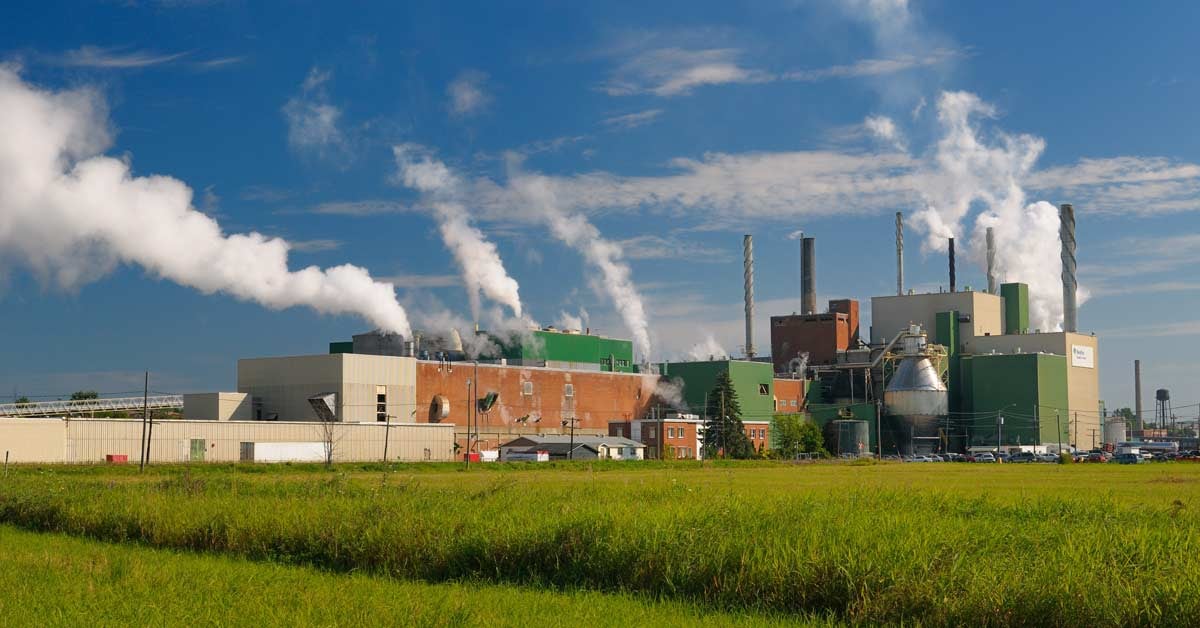
For decades, pulp mills have largely been viewed through the lens of traditional fiber production. But that perception is beginning to shift.

1 min read
Sustainability teams are under increasing pressure to quantify environmental impact with precision. But when it comes to paper packaging life cycle...

7 min read
In the race toward renewables, new innovations continue to move the dial forward toward achieving our energy goals while decreasing carbon output....
3 min read
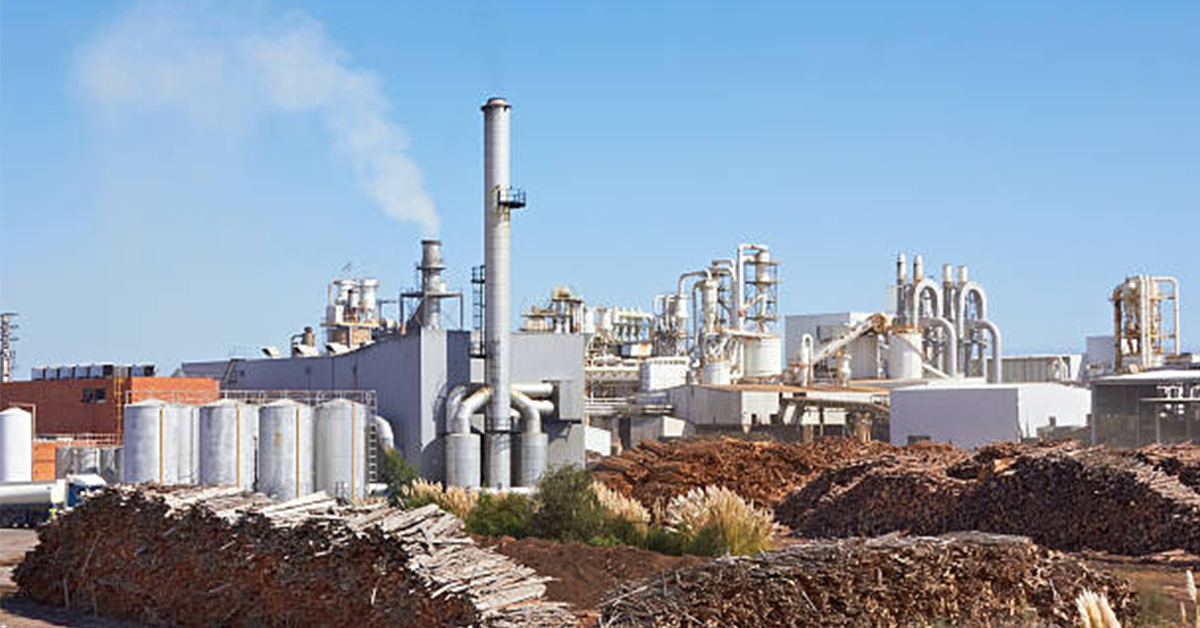
The pulp and paper industry has seen several notable announcements in April 2026. Taken together, they point to a few important themes: continued...

2 min read
The European pulp and paper industry is entering a new phase—defined by constrained fiber supply, persistent energy volatility, and shifting global...

2 min read
Pulp mills have long played a critical role in the forest products value chain. Now, they are taking on a new one: becoming strategic suppliers of...

4 min read
Volatility is no longer a one-time disruption—it’s the baseline for today’s pulp and paper industry.