
New IRS 45Z Guidance Tightens Link Between Feedstocks and Biofuel Economics
 ResourceWise: Oct 12, 2026, 2:25:00 PM

At first glance, crude tall oil (CTO) and used cooking oil (UCO) have very little in common.
One is generated during the kraft pulping process as a byproduct of processing pine trees. The other comes from restaurants, food processors, and commercial kitchens after cooking oils have reached the end of their useful life.
Yet despite their vastly different origins, these two feedstocks are becoming increasingly connected. Understanding one of these markets can provide valuable insight into the other.
Demand for low-carbon fuels continues to reshape the global feedstock markets. Accordingly, producers of crude tall oil are finding that used cooking oil has become one of the most important indicators of their product's value.
Renewable diesel and sustainable aviation fuel (SAF) producers rely on a variety of biological feedstocks to manufacture low-carbon fuels. While virgin vegetable oils remain part of the supply mix, policy incentives in many regions increasingly favor waste and residue-based materials because of their lower lifecycle carbon intensity.
Used cooking oil has emerged as the benchmark waste feedstock for these markets.
Its widespread availability, established collection networks, and favorable treatment under many low-carbon fuel programs have made UCO the industry's primary reference point for pricing waste-based feedstocks. As renewable diesel production has expanded globally, UCO has become one of the most closely watched commodities in the biofuels market.
Crude tall oil occupies a unique position within this same ecosystem.
Produced during the kraft pulping process, CTO has long supplied traditional markets including chemicals, resins, adhesives, and coatings. However, its fatty acid fraction is increasingly being used as a renewable diesel feedstock. This creates a stronger connection between forest products and low-carbon fuels than ever before.
Related: Crude Tall Oil Is Gaining Value in Low-Carbon Fuel Markets
Both materials compete for similar demand within renewable fuel supply chains. As a result, changes in the UCO market can often influence expectations for crude tall oil pricing.
When renewable diesel margins strengthen and demand for waste-based feedstocks increases, buyers frequently expand their interest across multiple qualifying feedstocks. Likewise, when policy changes reduce demand or margins tighten, purchasing activity can soften across the broader waste-feedstock complex.
For this reason, many market participants increasingly look to UCO as a useful barometer of crude tall oil's value.
Despite these similarities, the two markets do not move in perfect lockstep.
Crude tall oil continues to serve a diverse customer base beyond renewable fuels. Tall oil derivatives are used in multiple products, including:
Surfactants
Inks
Rubber Tackifiers
Asphalt Additives
Specialty Chemicals
These established demand centers can create pricing dynamics that differ from those affecting used cooking oil.
Supply fundamentals also vary considerably. UCO availability depends on food consumption, collection infrastructure, and international trade flows. Conversely, crude tall oil production is closely tied to pulp mill operations and softwood processing volumes.
As a result, periods of divergence between the two markets are inevitable.
Perhaps the more important lesson is that crude tall oil producers can no longer view their market solely through the lens of the forest products industry.
Several factors influence demand for CTO:
Renewable Diesel Production Economics
Government Policy
Carbon Intensity Programs
Global Feedstock Availability
Understanding these broader market drivers provides producers with greater context for pricing decisions and long-term investment planning.
The growing relationship between crude tall oil and used cooking oil reflects a broader transformation taking place across the bioeconomy.
Markets that once operated independently are becoming increasingly interconnected. Renewable fuels, bio-based chemicals, and decarbonization initiatives now compete for many of the same biological resources.
For pulp mills, this means crude tall oil is no longer just a byproduct whose value is determined solely within the forest sector. It is part of a much larger global feedstock market shaped by renewable fuel demand, policy incentives, and changing carbon economics.
Monitoring the used cooking oil market won't tell the whole story, but it can provide an early indication of where that story may be headed next.
Today's pulp mills operate in an increasingly interconnected marketplace. Feedstocks that once served a single purpose are now competing across renewable fuels, bio-based chemicals, carbon management, and emerging sustainability markets.
Staying ahead requires more than tracking traditional pulp fundamentals. It requires understanding the broader forces influencing where value is being created.
The Pulp Mill Bio Solutions Monthly report from ResourceWise brings these markets together in one place. Each edition delivers expert analysis on crude tall oil, lignin, methanol, biogenic CO₂, wood fiber, pellets, and other forest-derived products. You also get updates on policy developments and market trends shaping new commercial opportunities.
Whether you're assessing future investments, evaluating new product pathways, or monitoring changing market dynamics, the report provides the intelligence needed to identify opportunities before they become mainstream.

 ResourceWise: Oct 12, 2026, 2:25:00 PM
 ResourceWise: Oct 9, 2026, 9:12:17 AM
 ResourceWise: Oct 7, 2026, 8:57:37 AM
ResourceWise : Oct 27, 2023, 12:00:00 AM
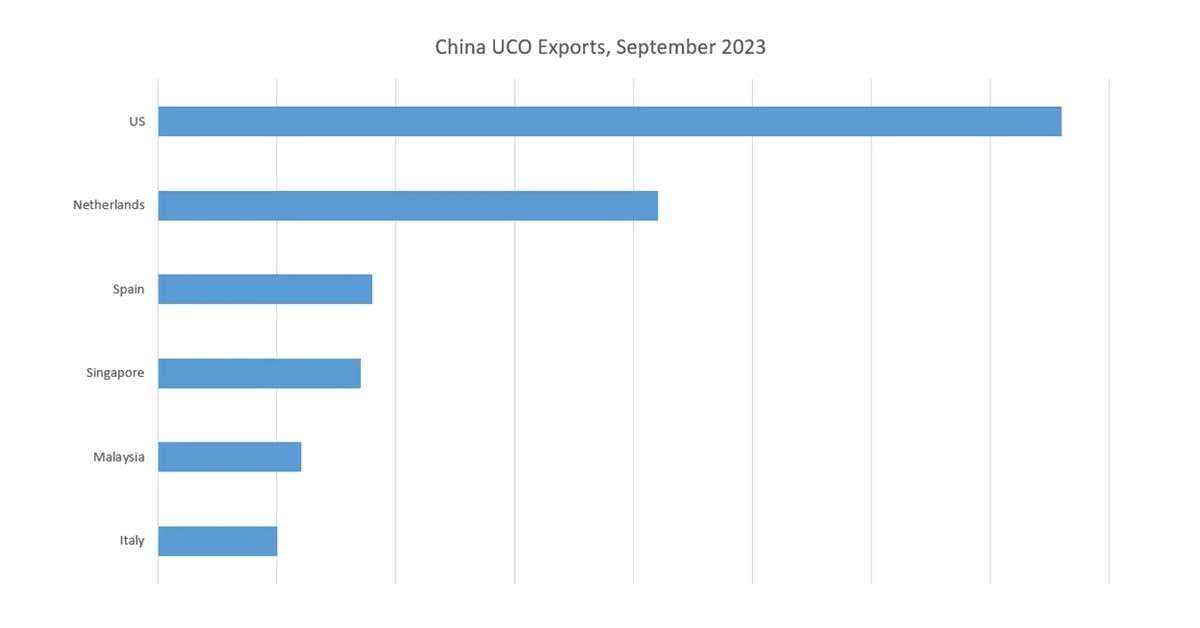
The UCO market has seen some immense changes related to its trade flow. Chinese exports have now shifted its sights to the US in a big way. In fact,...

ResourceWise : Jun 16, 2026, 9:05:34 AM
For decades, crude tall oil (CTO) was viewed primarily as a byproduct of the kraft pulping process. While valuable, it still served a secondary...

ResourceWise : Jul 16, 2026, 8:15:01 AM
For decades, the success of a pulp mill was measured largely by one metric: the value of the pulp it produced. While byproducts such as crude tall...