
3 min read
How Is China’s Pulp and Paper Capacity Growth Affecting Global Markets?
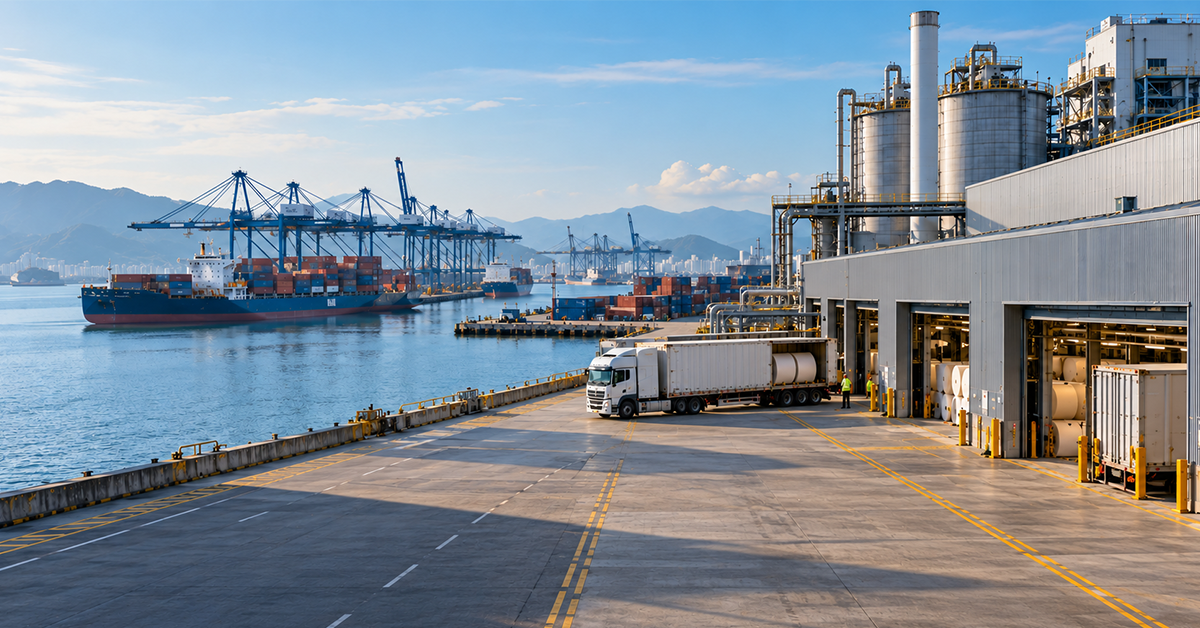
China has spent years expanding its pulp and paper manufacturing base. But as new capacity continues to enter a market where supply is already...
3 min read
China has spent years expanding its pulp and paper manufacturing base. But as new capacity continues to enter a market where supply is already...
3 min read
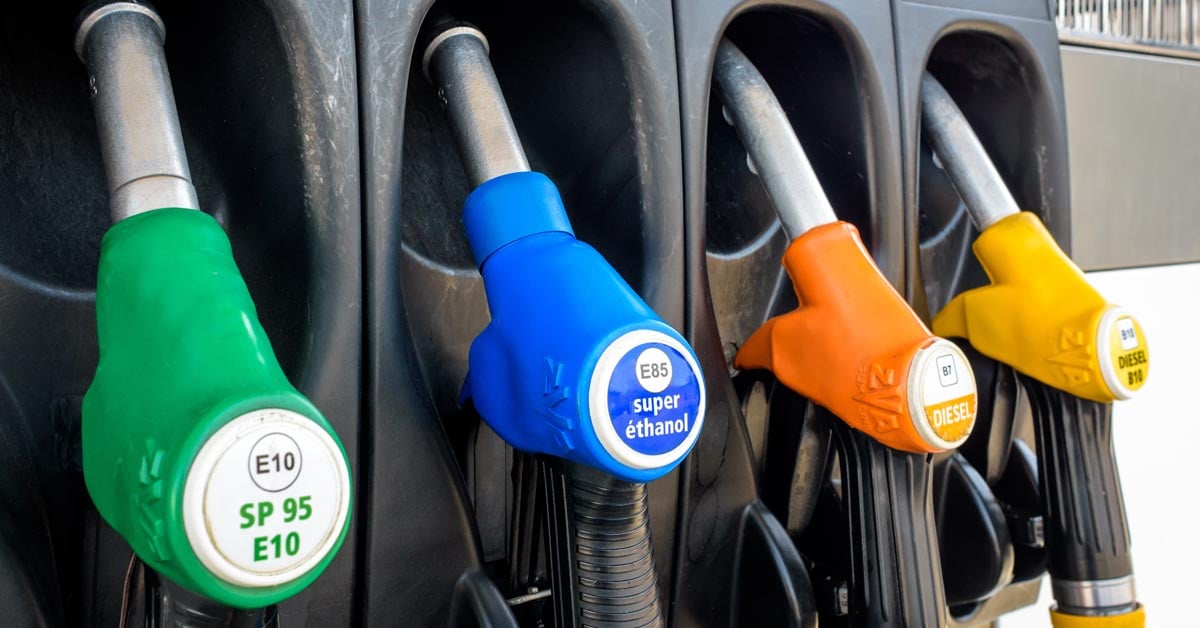
Biofuel blending is the process of combining renewable, organically-derived fuels such as ethanol or biodiesel with conventional petroleum products...
4 min read
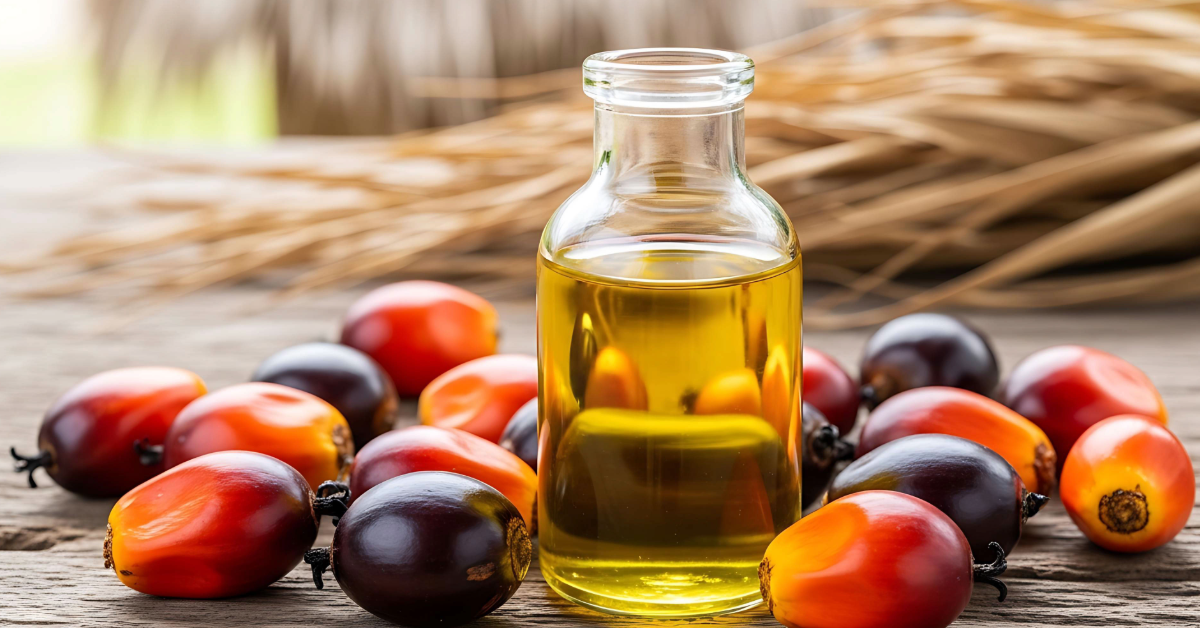
Global oleochemical markets entered 2026 with weak and uneven demand, but the first seven months have delivered far more than a routine cyclical...

3 min read
The Latin American petrochemical and chemical industry is preparing to gather in Buenos Aires for one of the region’s most important annual business...

1 min read
Asian aromatics markets rose sharply in July as crude strengthened, regional supply tightened and export opportunities improved, although downstream...
1 min read
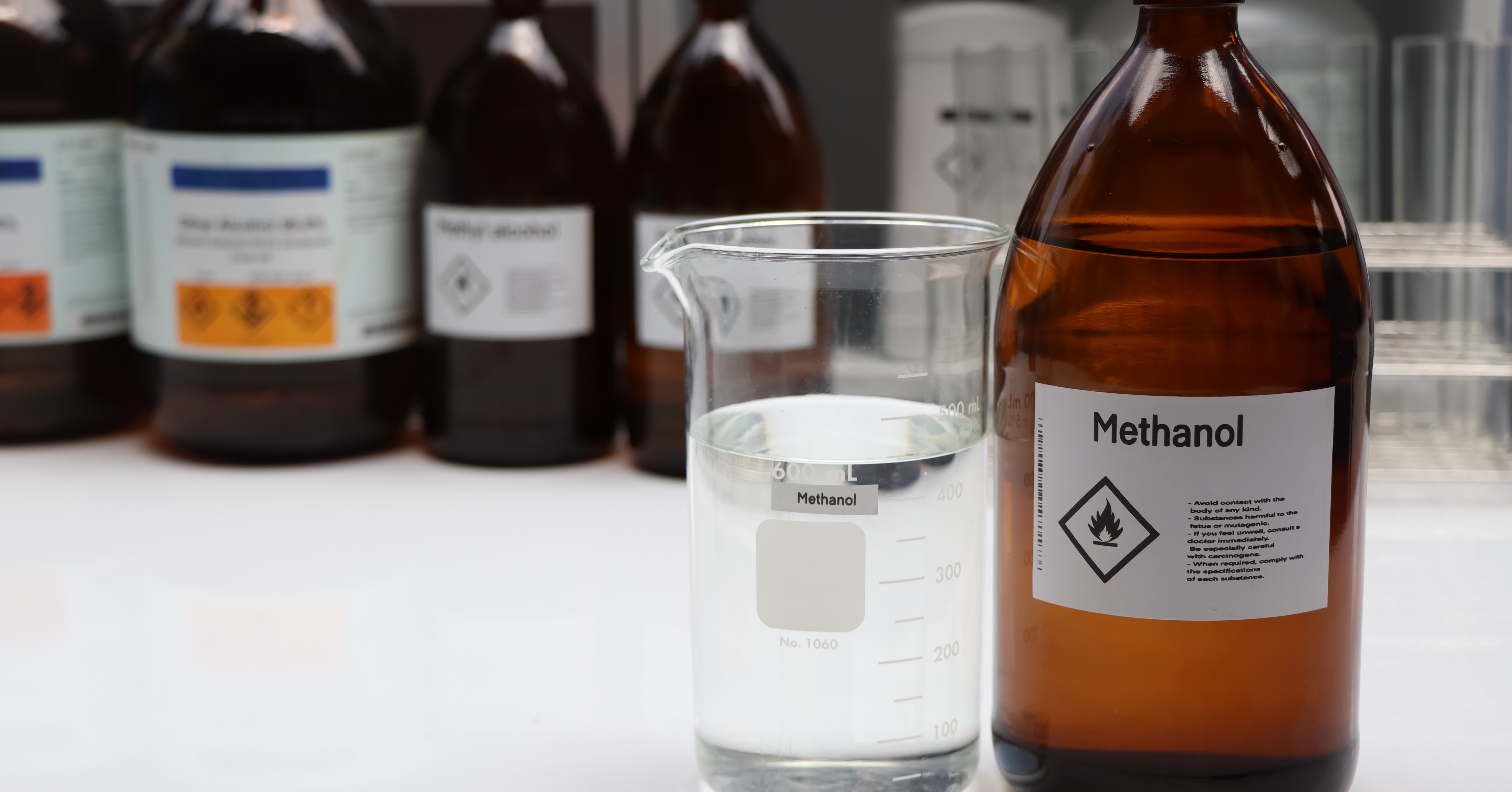
China’s nylon 6 and methanol markets experienced sharp cost-driven swings, but weak demand and high inventories continue to constrain upside.

1 min read
East Asian olefins and derivatives reversed early-summer declines in July as crude and feedstock costs increased, even as downstream markets entered...

1 min read
Higher oil prices lifted China’s phenol chain again in July, but the response was far more restrained than in March because overcapacity and weak...
1 min read
Across Chinese plasticizers, chlor-alkali and polyols, rising feedstock costs created short-term price support, but weak downstream demand remains...
1 min read
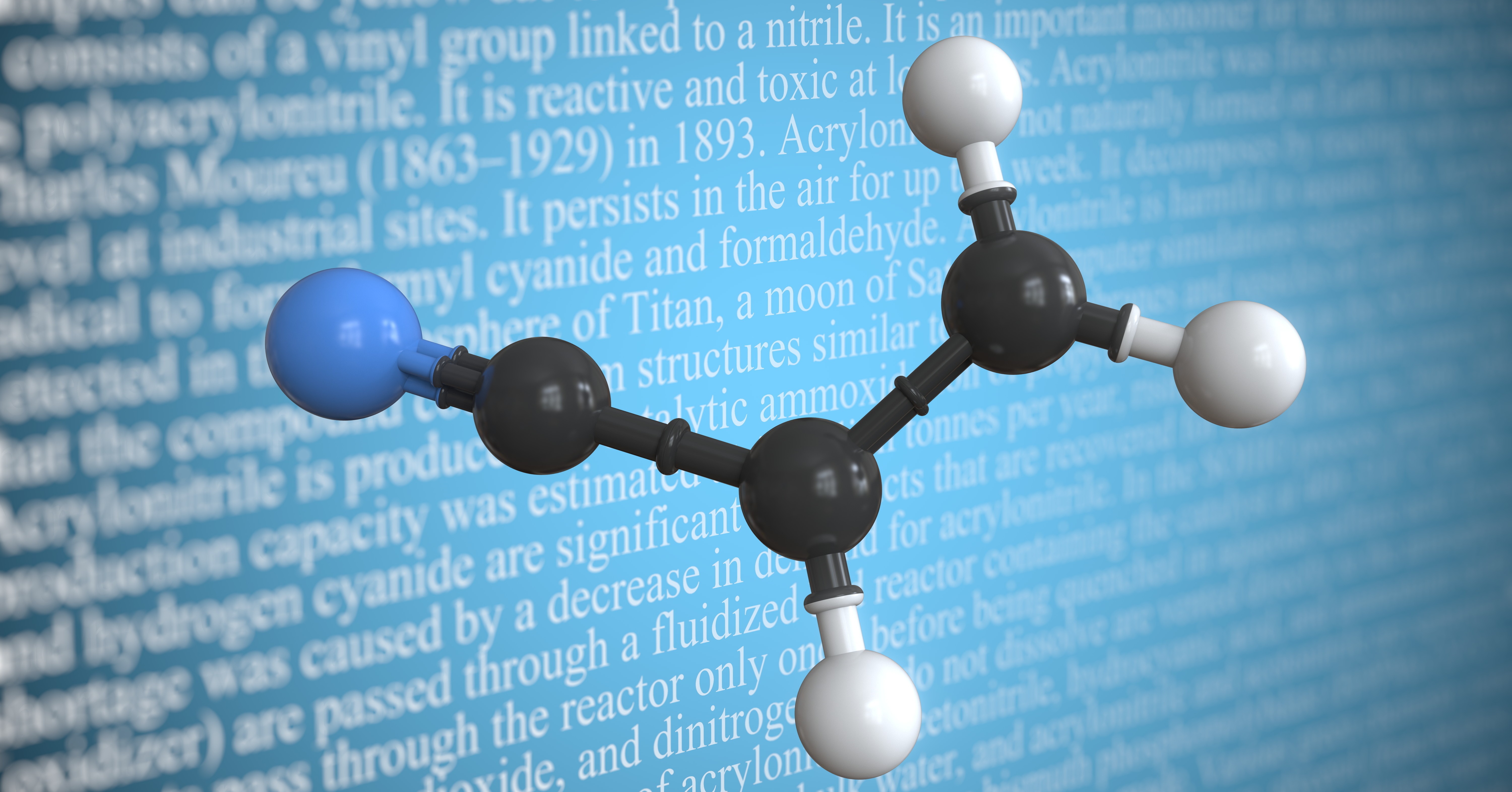
Higher oil and feedstock costs supported a July rebound in Chinese maleic anhydride, acrylonitrile and ABS, although weak summer demand continues to...
1 min read
Temporary export surges and feedstock shocks lifted several Chinese chemical markets in H1 2026, but structural oversupply quickly reasserted itself.
1 min read
Geopolitical premiums have faded across several Chinese petrochemical chains, leaving supply, demand and producers’ ability to pass through costs as...