
4 min read
Biofuels Market Outlook: 5 Trends Shaping Q4 2026 and 2027
Heading into Q4, biofuels markets are being supported by a combination of strong diesel pricing, growing compliance demand, and tighter supply...

4 min read
Heading into Q4, biofuels markets are being supported by a combination of strong diesel pricing, growing compliance demand, and tighter supply...

4 min read
For decades, the Rhine has quietly served as one of Europe's most important trade corridors. Stretching from the Swiss Alps to the North Sea, the...
2 min read
Below, check out all the major news and updates impacting the biofuels and feedstocks markets, from 45Z updates and the strikedown of Trump's tariffs...

2 min read
With volatility continuing to define global energy markets, clarity is in short supply.

1 min read
Asian aromatics markets rose sharply in July as crude strengthened, regional supply tightened and export opportunities improved, although downstream...
1 min read
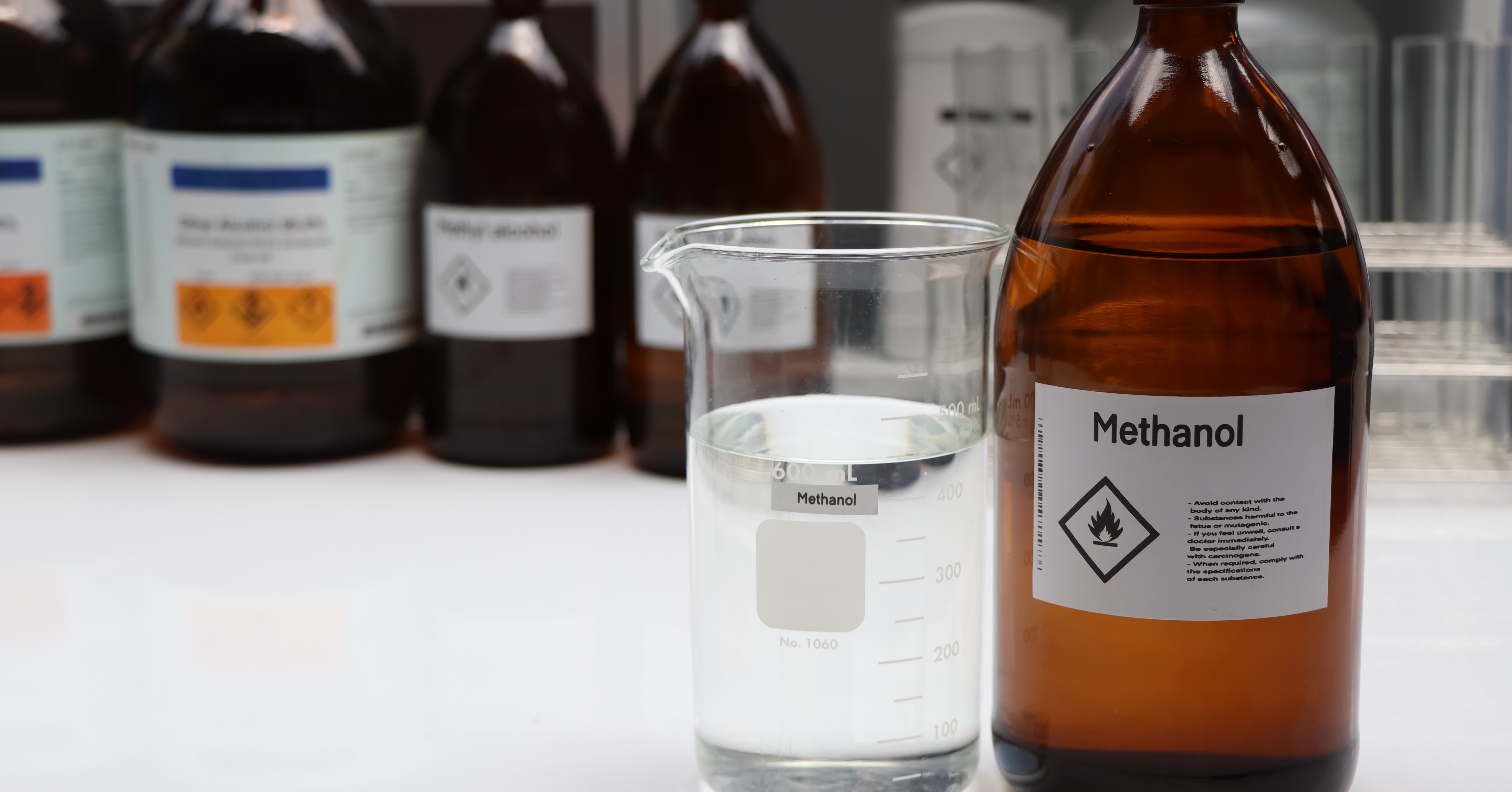
China’s nylon 6 and methanol markets experienced sharp cost-driven swings, but weak demand and high inventories continue to constrain upside.

1 min read
East Asian olefins and derivatives reversed early-summer declines in July as crude and feedstock costs increased, even as downstream markets entered...

1 min read
Higher oil prices lifted China’s phenol chain again in July, but the response was far more restrained than in March because overcapacity and weak...
1 min read
Across Chinese plasticizers, chlor-alkali and polyols, rising feedstock costs created short-term price support, but weak downstream demand remains...

1 min read
Higher oil and feedstock costs supported a July rebound in Chinese maleic anhydride, acrylonitrile and ABS, although weak summer demand continues to...
1 min read
Temporary export surges and feedstock shocks lifted several Chinese chemical markets in H1 2026, but structural oversupply quickly reasserted itself.
1 min read
Geopolitical premiums have faded across several Chinese petrochemical chains, leaving supply, demand and producers’ ability to pass through costs as...