
What Is Biofuel Blending and How Does It Work?
 ResourceWise: Sep 14, 2026, 2:40:15 PM
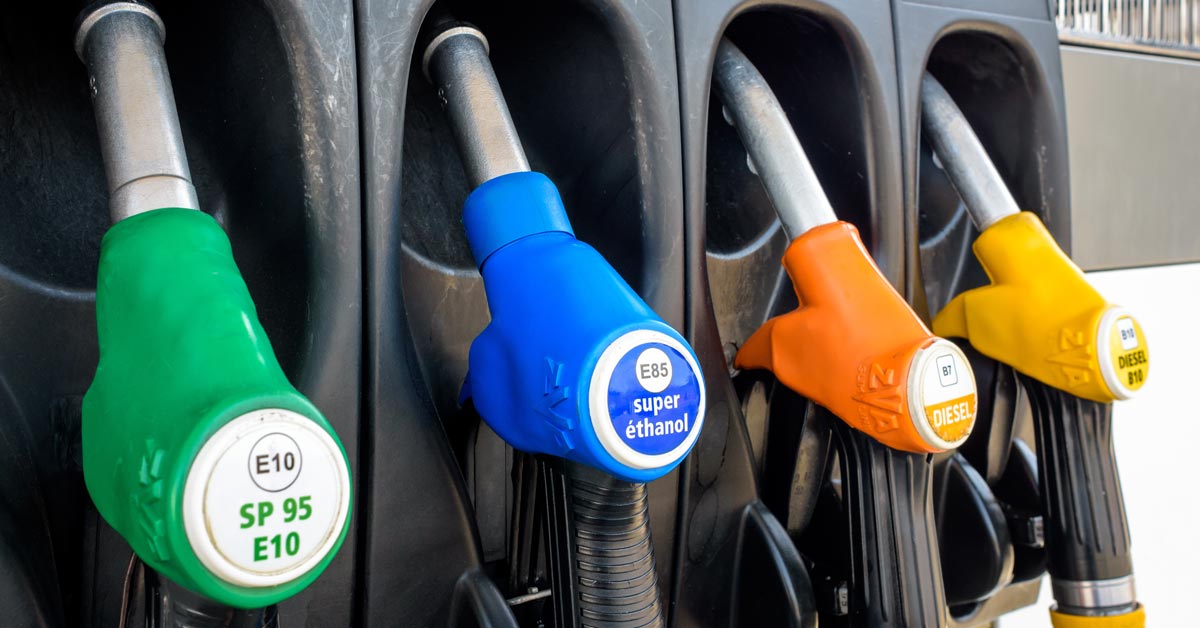
Biofuel blending is the process of combining renewable, organically-derived fuels such as ethanol or biodiesel with conventional petroleum products such as gasoline or diesel. The resulting blend can reduce dependence on fossil fuels, support regulatory compliance, and lower the carbon intensity of transportation fuels.
Common examples include gasoline blended with 10% ethanol, known as E10, and petroleum diesel blended with 20% biodiesel, known as B20. Although the basic concept is straightforward, the economics and requirements surrounding biofuel blending are shaped by fuel specifications, government mandates, feedstock costs, and regional supply and demand.
Biofuel blends are typically identified by a letter indicating the renewable fuel and a number showing its approximate percentage in the finished product.
Common ethanol blends include:
Biodiesel blends follow a similar naming convention:
The appropriate blend depends on local fuel standards, vehicle compatibility, climate, infrastructure, and regulatory requirements.
Lower blends such as E10 and B5 are widely used because they can generally be distributed and consumed through existing systems with limited modifications. Higher blends may require compatible vehicles, storage equipment, or additional fuel-management practices.
Biofuels can be mixed with petroleum products at refineries, fuel terminals, storage facilities, or other points in the distribution system. Blending may occur when fuels are loaded into a truck or storage tank, or through systems that combine the components in controlled proportions before distribution.
Accurate blending is essential. Suppliers must ensure that the finished fuel meets applicable quality standards and contains the required renewable content. They must also account for characteristics such as temperature stability, water contamination, oxidation, and material compatibility.
Ethanol, for example, readily absorbs water and therefore requires careful handling throughout the supply chain. Biodiesel performance can vary based on the feedstock and production process, particularly in colder conditions. These characteristics influence how the fuel is stored, transported, and blended.
Blending allows renewable fuels to enter the existing transportation market without requiring an immediate, complete replacement of gasoline or diesel.
For governments, blending can support emissions-reduction goals, energy-security strategies, and agricultural or waste-reduction policies. For obligated fuel suppliers, it can help satisfy renewable fuel mandates and generate or secure compliance credits. For producers, traders, and blenders, it creates demand for biofuels and the feedstocks used to produce them.
Blending can also help reduce the lifecycle carbon intensity of a finished fuel. However, the scale of that reduction depends on several factors, including the biofuel pathway, feedstock, production process, transportation requirements, and blend percentage. Not every biofuel provides the same emissions profile.
The economics of biofuel blending extend well beyond the price of the renewable fuel itself. Market participants may need to evaluate:
Changes in any of these factors can affect blending margins and influence where renewable fuels and feedstocks move. For instance, a change in policy in one market may redirect biofuel volumes, alter feedstock demand, or create new opportunities for cross-border trade.
This is why biofuel blending is not simply an operational step. It sits at the intersection of fuel markets, agricultural commodities, trade flows, logistics, and environmental policy.
Biofuel blending continues to evolve as governments raise renewable fuel requirements and develop more carbon-focused policies. At the same time, growing demand from road transportation, aviation, and marine markets is increasing competition for many of the same feedstocks.
Waste oils, animal fats, vegetable oils, and other renewable inputs may serve multiple fuel pathways. As demand grows, market participants must consider not only how much biofuel is required, but also which feedstocks are available, where they are located, and which markets can offer the strongest returns.
Understanding biofuel blending therefore requires a connected view of fuel prices, feedstock fundamentals, policy, trade, and logistics.
Biofuel blending requirements may establish demand, but changing market conditions determine how that demand is met.
Subscribe to the ResourceWise Biofuels and Low-Carbon Feedstocks Monthly Market Brief for an in-depth look at the policies, pricing trends, trade flows, and feedstock developments moving the market forward.


 Sam Uctas: Sep 14, 2026, 1:23:22 PM

 Javier Rivera: Sep 14, 2026, 10:20:43 AM
Sam Uctas : Sep 14, 2026, 1:23:22 PM
Unsaturated polyester resin (UPR) producers have faced a difficult combination in 2026: volatile raw material costs and persistently weak downstream...

ResourceWise : Sep 8, 2026, 1:59:08 PM
Singapore's bio-bunker market showed signs of recovery in July 2026. But the significant sales downturn remains difficult to ignore.

ResourceWise : Sep 9, 2026, 8:43:41 AM
Heading into Q4, biofuels markets are being supported by a combination of strong diesel pricing, growing compliance demand, and tighter supply...