Bioethanol Takes a Step Toward New Marine Fuel Market for US Producers
 ResourceWise: Oct 7, 2026, 8:57:37 AM
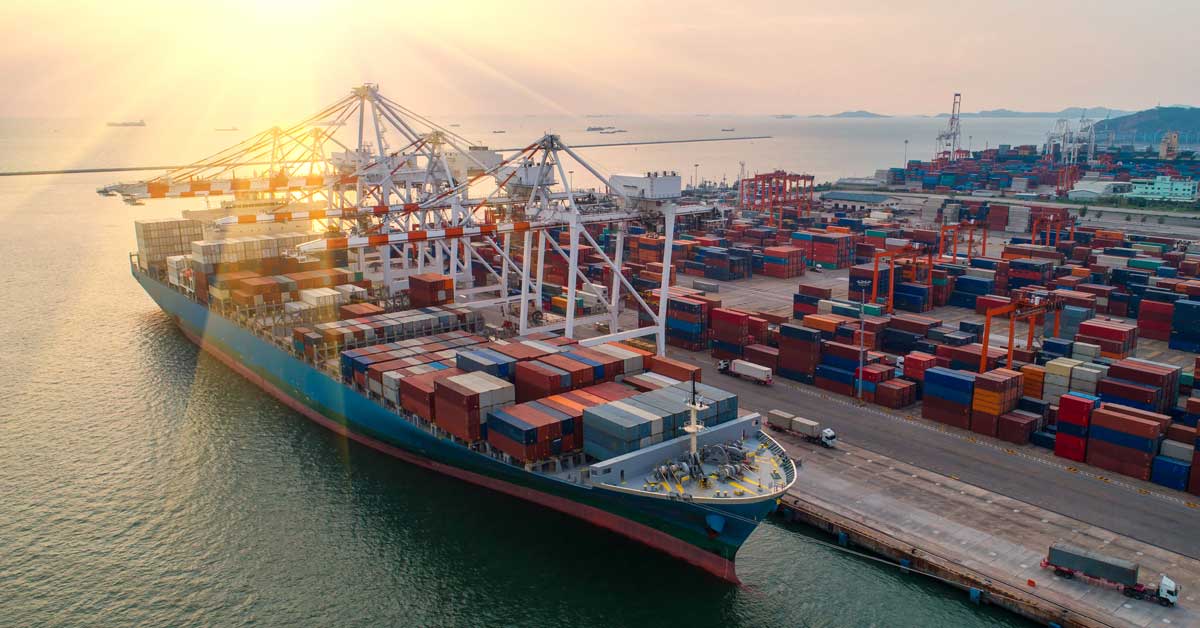
American bioethanol has reached a new destination: the fuel tank of a deep-sea container vessel. A successful bunkering operation in Houston offers an encouraging signal for producers looking beyond road transportation, while raising a larger commercial question:
Can shipping become a dependable new source of ethanol demand?
In a September 28 announcement, POET reported supplying the first US bunkering operation using 100% bioethanol. Maersk confirmed that its dual-fuel, alcohol-enabled vessel, Tangier Maersk, received US-produced corn ethanol. The operation adds practical experience to an emerging fuel pathway. However, it’s important to distinguish that widespread commercial adoption remains a separate milestone.
Houston demonstrates a practical step toward the use of marine ethanol. The completed delivery provides experience with sourcing, transport, and bunkering.
Established ethanol production offers a starting advantage. Dedicated marine supply arrangements and suitable vessel technology still need to be developed.
Vessel development is advancing alongside fuel trials. A proposed ethanol-fueled tanker design remains under evaluation.
Repeat purchases will be a stronger signal of demand. Sustained adoption will depend on operational performance, delivered economics, and documented emissions benefits.
The Houston operation demonstrates that US-produced ethanol can be delivered into a marine fuel supply chain through coordinated action among producers, shipping companies, logistics providers, and port authorities:
POET supplied the fuel
The Kirby Corporation supported its transportation and the bunkering operation
The Port of Houston provided coordination and infrastructure
The US Coast Guard supported the regulatory requirements for the delivery
Maersk describes the event as the first ship-to-ship commercial ethanol bunkering of a deep-sea container vessel in the United States. It builds on earlier ethanol trials aboard Laura Maersk and Antonia Maersk.
A completed commercial delivery establishes experience with an individual operation. Regular procurement across vessels and ports would demonstrate a broader market taking shape.
Bioethanol offers shipping companies access to an existing production base and supply infrastructure as they evaluate additional fuel options.
Maersk identifies established infrastructure and compatibility with alcohol-enabled vessel technology among ethanol’s advantages. The company also stresses that scaling fuel pathways depends on availability, regulation, and operational readiness throughout the maritime value chain.
For US producers, that creates a potential route into a new customer segment. Existing production capacity could support early deliveries. But consistently supplying ships would require commercial arrangements linking plants to bunkering locations.
The opportunity should therefore be evaluated by the port and the customer. Fuel availability at a production facility is only one part of delivering a suitable product to a vessel on schedule.
Ethanol is also entering the vessel design development phase. But a proposed design does not establish an operating fleet.
Together, bunkering experience and vessel design work suggest growing interest in the pathway. The next commercial steps would include approved designs, investment decisions, vessel deployment, and recurring fuel purchases.
Sustained demand would require suitable vessels, reliable deliveries, competitive operating costs, and emissions performance that meets buyers' requirements.
For producers assessing the opportunity, four questions deserve attention:
Are customers making repeat purchases? Regular deliveries and supply contracts provide stronger evidence of demand than isolated trials.
Can suppliers serve the required ports? Storage, transport, handling, and delivery schedules must work together.
Does the delivered fuel offer value? Buyers need to evaluate energy content, vessel requirements, and logistics costs alongside the fuel price.
Can suppliers substantiate emissions performance? Bioethanol's renewable origin alone does not quantify its lifecycle benefit.
The IMO's marine fuel assessment framework considers greenhouse gas emissions from production through use aboard a ship, known as well-to-wake emissions. It includes upstream supply-chain emissions and emissions associated with onboard use.
That makes documented fuel pathways an essential part of evaluating any given opportunity.
The most useful next signals will be repeat bunkering operations, wider port availability, and purchasing commitments from shipping companies.
ResourceWise's October Bio-Bunkering at a Glance monthly report places the Houston milestone alongside developments across other marine fuel pathways. For producers, this suggests a potentially emerging opportunity in a market where buyers are still evaluating their options.
The Houston operation gives marine ethanol a concrete reference point. Whether that becomes a meaningful new outlet for US production will depend on translating practical experience into a reliable supply and sustained customer demand.
 ResourceWise: Oct 7, 2026, 8:57:37 AM
 ResourceWise: Oct 5, 2026, 11:42:56 AM