
New IRS 45Z Guidance Tightens Link Between Feedstocks and Biofuel Economics
 ResourceWise: Oct 12, 2026, 2:25:00 PM

For decades, the success of a pulp mill was measured largely by one metric: the value of the pulp it produced. While byproducts such as crude tall oil, turpentine, and bark generated additional revenue, they were often viewed as secondary outputs rather than strategic business opportunities.
That mindset is beginning to change.
Today, the same facilities that have long supplied the world's pulp and paper markets are finding themselves at the center of the rapidly expanding bioeconomy. As demand grows for renewable fuels, bio-based chemicals, carbon removal, and low-carbon feedstocks, pulp mills are increasingly discovering that their greatest opportunities may lie beyond the pulp itself.
Modern pulp mills already produce a diverse range of biological materials alongside finished pulp. Crude tall oil, lignin, methanol, wood residues, and concentrated streams of biogenic carbon dioxide have traditionally been treated as byproducts. In some cases, they were simply consumed internally for energy.
However, these materials are increasingly becoming valuable commodities in their own right.
Crude tall oil, for example, is recognized as a waste-based feedstock in many low-carbon fuel markets. Its fatty acid fraction is already used in renewable diesel production, while other tall oil derivatives continue to find applications in coatings, adhesives, surfactants, and specialty chemicals.
As renewable fuel policies evolve, many producers are beginning to evaluate crude tall oil not simply as a byproduct but as a strategic feedstock. Its value extends well beyond traditional forest products markets.
At the same time, entirely new revenue opportunities are developing.
Lignin, once primarily burned to recover energy, is attracting growing interest as manufacturers seek renewable alternatives several applications:
Polymers
Composites
Adhesives
Concrete Additives
Carbon Materials
Although technical and commercial challenges remain, continued investment in bio-based materials is expanding the range of potential end uses for lignin.
Biogenic carbon dioxide represents another emerging opportunity. As carbon capture technologies mature, pulp mills possess one of the world's largest concentrated sources of renewable carbon.
That CO₂ can potentially serve two rapidly developing markets:
Permanent carbon removal through geological storage
Feedstock for producing synthetic fuels such as e-SAF
Both pathways could create significant new value for mills capable of documenting the sustainability and origin of their carbon streams.
These opportunities are compelling, but they also introduce new complexity.
Each market operates under different regulations, sustainability requirements, pricing mechanisms, and investment timelines. A product that delivers the highest value today may face different economics tomorrow as policy evolves or new capacity enters the market.
Success increasingly depends on understanding how traditional forest products markets intersect with renewable fuels, carbon markets, chemicals, and emerging environmental regulations. Decisions about whether to sell a coproduct into fuel, chemical, or carbon markets are becoming strategic choices rather than operational ones.
In many cases, the question is no longer whether a byproduct has value; it is which market values it most.
Navigating these opportunities requires more than simply tracking commodity prices. Companies must understand how policy developments, feedstock demand, sustainability requirements, trade flows, and downstream market dynamics interact across multiple industries.
As pulp mills continue their evolution into integrated biorefineries, the organizations best positioned for success will be those able to evaluate these opportunities through a unified market lens rather than in isolation.
This transition won't happen overnight, and traditional pulp production will remain the foundation of the industry. But the definition of what constitutes a successful pulp mill is expanding.
Tomorrow's leading producers may generate value from far more than pulp alone. They will increasingly compete across renewable fuels, bio-based chemicals, carbon management, and emerging low-carbon markets. This could transform what were once considered byproducts into strategic assets.
For companies willing to rethink the role of the modern pulp mill, the next generation of growth may already be flowing through the existing process.
As renewable fuels, bio-based chemicals, and carbon markets continue to evolve, pulp mills are finding new opportunities to create value from existing assets. But those opportunities are changing rapidly.

The Pulp Mill Bio Solutions monthly report from ResourceWise helps companies stay ahead of these market shifts with analyst-driven intelligence covering forest-derived feedstocks, carbon markets, pricing trends, regulatory developments, and emerging monetization pathways. From crude tall oil and lignin to biogenic CO₂, methanol, wood pellets, and evolving policy frameworks, each issue connects the markets influencing the next generation of pulp mill economics.
Whether you're evaluating capital investments, negotiating commercial agreements, or identifying new revenue streams, timely market intelligence can help you make more informed strategic decisions.

 ResourceWise: Oct 12, 2026, 2:25:00 PM
 ResourceWise: Oct 9, 2026, 9:12:17 AM
 ResourceWise: Oct 7, 2026, 8:57:37 AM

ResourceWise : May 13, 2026, 8:55:55 AM
For decades, pulp mills have largely been viewed through the lens of traditional fiber production. But that perception is beginning to shift.
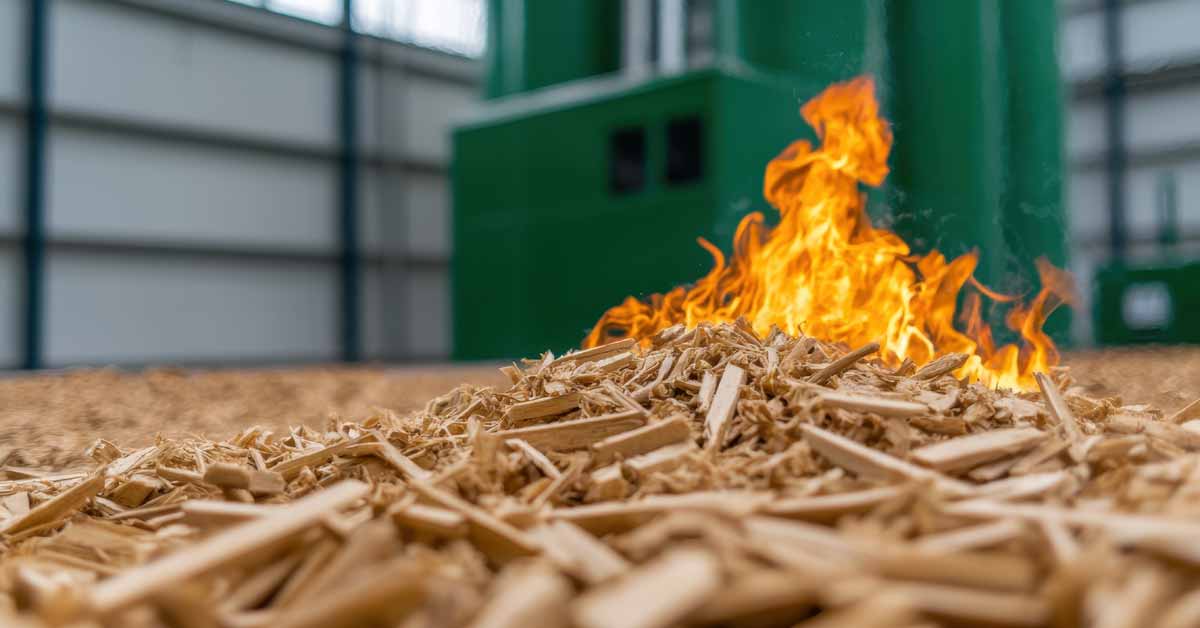
ResourceWise : Mar 13, 2025, 12:00:00 AM
As sourcing for feedstocks in renewable energy and biofuel production ramps up, the scope of feedstock materials has expanded. Waste biomass...
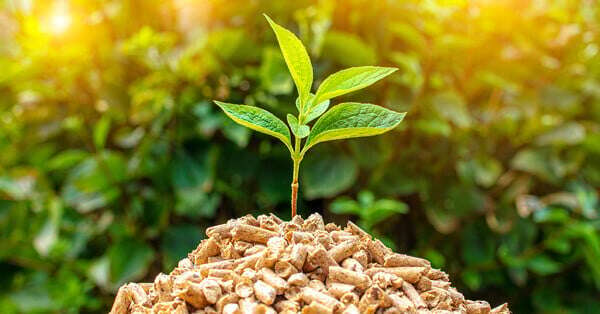
ResourceWise : Sep 6, 2024, 12:00:00 AM
On September 4, 2024, the US Department of Energy's (DOE) Feedstock-Conversion Interface Consortium (FCIC) launched its FY25 Industry Partnership Call