
How Is China’s Pulp and Paper Capacity Growth Affecting Global Markets?
 Marko Summanen: Sep 24, 2026, 1:55:19 PM
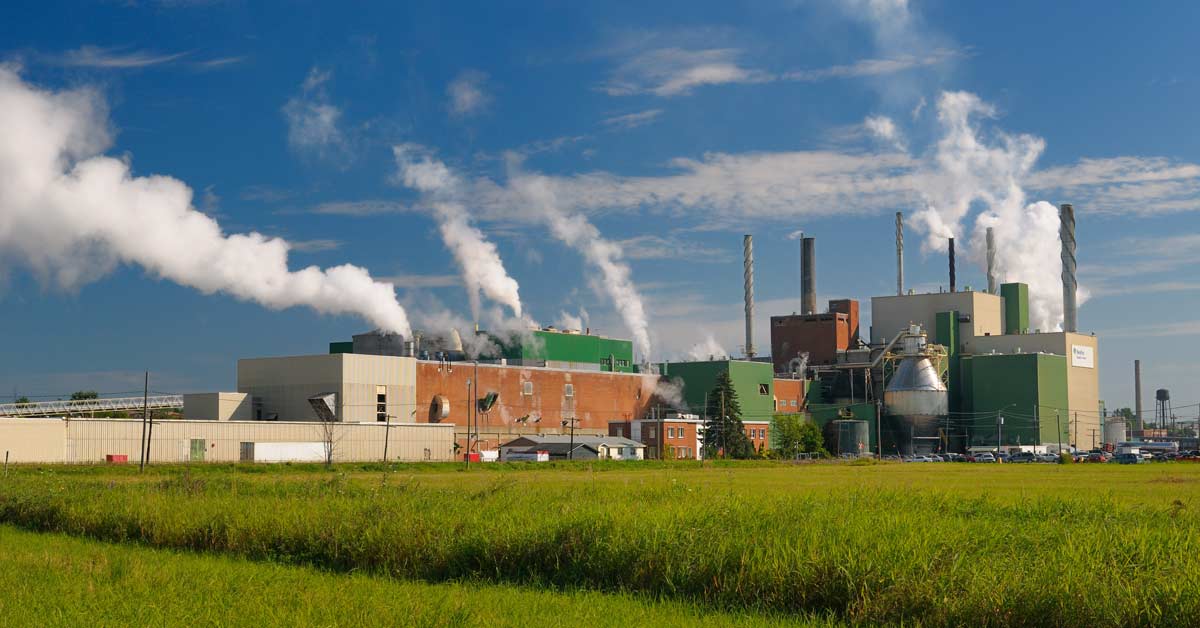
For decades, pulp mills have largely been viewed through the lens of traditional fiber production. But that perception is beginning to shift.
Today, a growing number of pulp producers are exploring how existing assets, byproducts, and biomass streams can support participation in emerging low-carbon and bio-based markets. From crude tall oil (CTO) and lignin to biogenic carbon dioxide (BCO2), mills are increasingly evaluating how to generate new value streams alongside conventional pulp production.
The transition is driven by a combination of factors:
Tightening Decarbonization Policies
Rising Demand for Low-Carbon Feedstocks
Expanding Carbon Markets
Increasing Interest in Circular and Bio-Based Materials
In many ways, the modern pulp mill is evolving into something larger than a traditional manufacturing facility. It is becoming a platform for the broader bioeconomy.
One of the clearest examples is crude tall oil (CTO), a byproduct of the kraft pulping process that is gaining importance in renewable diesel and bio-based chemical markets.
As demand for waste- and residue-based feedstocks grows, CTO is increasingly being evaluated alongside used cooking oil (UCO) and other low-carbon feedstocks tied to renewable fuel production. Policy frameworks such as RED II and RED III in Europe continue to reinforce interest in advanced feedstocks that can support decarbonization targets.
At the same time, lignin continues to attract attention as a potential feedstock for higher-value materials, chemicals, and specialty applications. While commercialization challenges remain, interest in lignin valorization continues to grow as companies seek alternatives to fossil-based inputs.
These developments are creating new strategic considerations for pulp producers. In particular, these bio-based products are becoming increasingly integrated into global energy and materials markets.
Another major shift is the growing focus on captured biogenic CO2.
As carbon removal markets, e-fuels, and low-carbon fuel pathways expand, biogenic carbon is increasingly being viewed as a potentially valuable environmental attribute rather than simply an emissions stream.
This is especially relevant for pulp and paper facilities that already operate within biomass-based value chains. Interest in BECCS (Bioenergy with Carbon Capture and Storage), carbon dioxide removal (CDR), and carbon intensity markets continues to increase across Europe and North America.
However, participation in these markets is likely to depend on more than capture technology alone.
Traceability, sustainability verification, and environmental attribute documentation are becoming increasingly important across low-carbon markets. Companies seeking to monetize biogenic carbon may ultimately need to demonstrate not only carbon reductions, but also the origin, transparency, and compliance profile of underlying biomass feedstocks.
The broader trend is clear: low-carbon markets are creating new intersections between forest products, biofuels, chemicals, carbon management, and sustainability compliance.
That does not mean every pulp mill will evolve in the same way. Commercial viability will continue to depend on feedstock access, infrastructure, regulation, capital investment, and end-market demand.
But the direction of travel is becoming increasingly difficult to ignore.
For many producers, the question is no longer whether these emerging markets matter. It is which pathways offer the most realistic opportunities for long-term value creation?
The latest Pulp Mill Bio Solutions Monthly Newsletter from ResourceWise explores the market developments shaping these emerging opportunities, including:
Crude tall oil and renewable diesel market dynamics
Biogenic CO2 and carbon removal developments
Lignin market trends and commercialization challenges
Feedstock pricing and trade flow shifts
EUDR and traceability developments
Biomass, pellets, and evolving low-carbon demand drivers
Download the latest edition to access deeper market intelligence and analysis across the evolving forest-based bioeconomy.

 Marko Summanen: Sep 24, 2026, 1:55:19 PM

 ResourceWise: Sep 24, 2026, 8:45:24 AM
 ResourceWise: Sep 23, 2026, 8:57:48 AM
ResourceWise : Jul 16, 2026, 8:15:01 AM
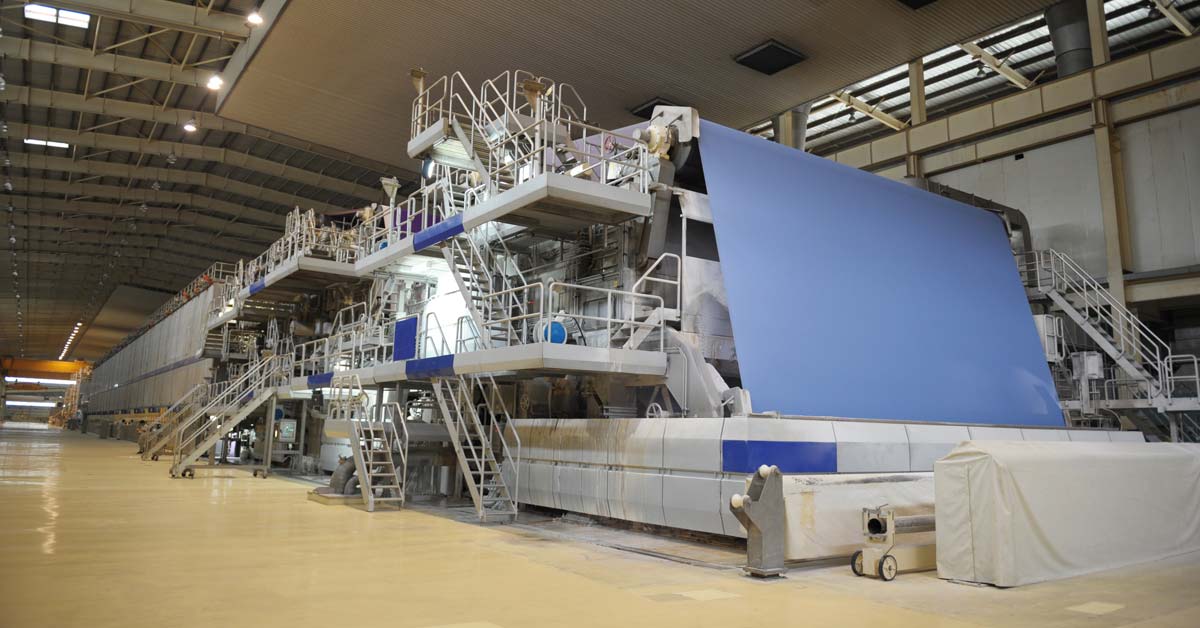
For decades, the success of a pulp mill was measured largely by one metric: the value of the pulp it produced. While byproducts such as crude tall...
ResourceWise : Mar 13, 2025, 12:00:00 AM
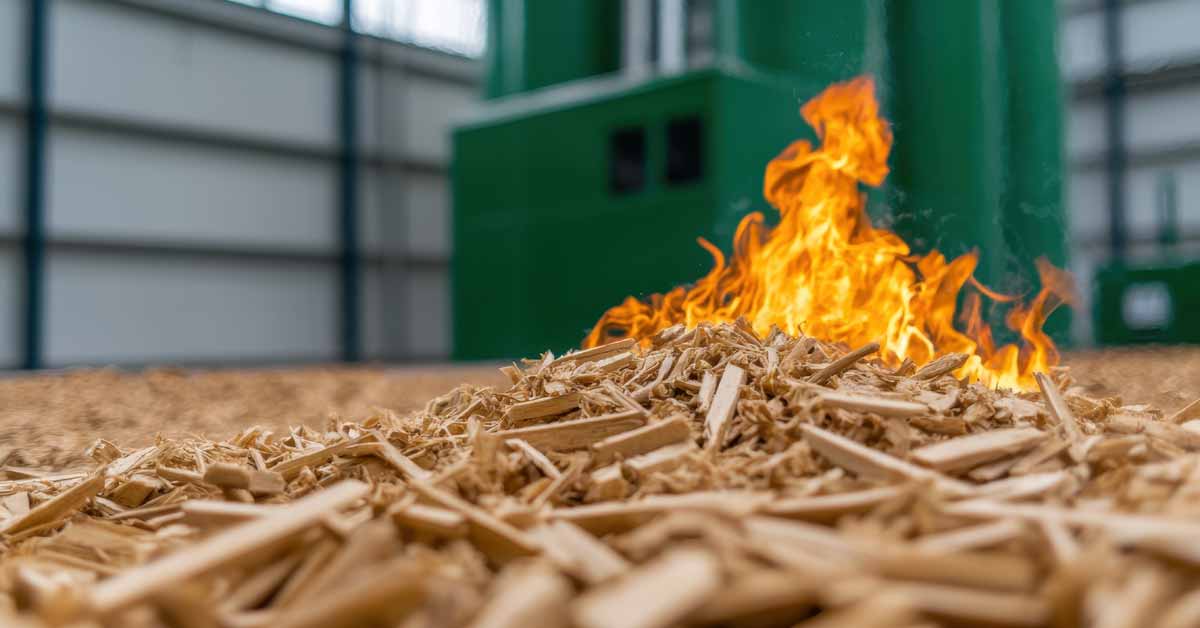
As sourcing for feedstocks in renewable energy and biofuel production ramps up, the scope of feedstock materials has expanded. Waste biomass...

ResourceWise : Apr 16, 2026, 10:34:55 AM
Pulp mills have long played a critical role in the forest products value chain. Now, they are taking on a new one: becoming strategic suppliers of...