3 min read

“Operation Epic Fury”: The U.S. and Israel’s Coordinated and Highly Strategized Takeover of Iran—What Are Our Expectations?

“Operation Epic Fury”: The U.S. and Israel’s Coordinated and Highly Strategized Takeover of Iran—What Are Our Expectations?

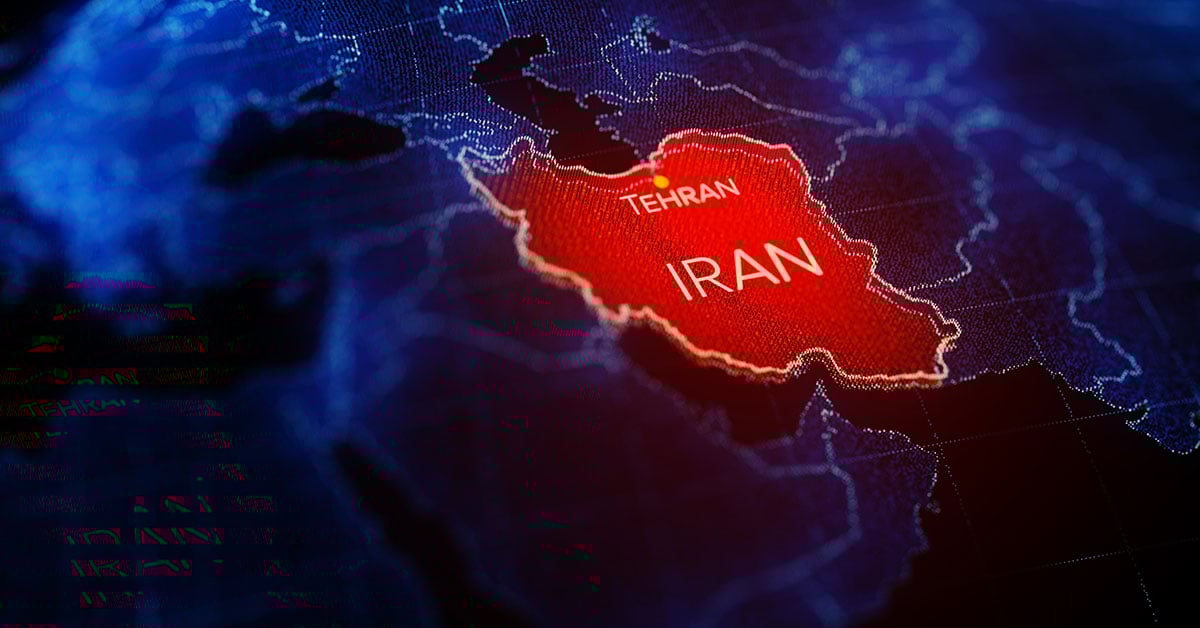
On February 28, 2026, the United States and Israel launched a highly coordinated attack on strategic Iranian military targets, inflicting maximum damage simultaneously. Pete Hegseth's briefing on March 4—just five days into the operation—informed the world of the dismantling of key Iranian assets that had initiated this conflict. The plan is to intensify the effort, control the region, and gain an overwhelming upper hand.

What lies in the balance is the stabilization of the Middle East, the potential release of the Iranian people from the authoritarian theocratic government associated with the IRGC, and the continued strengthening of the U.S. petrodollar.

Short-Term Impacts on Shipping and Energy Concerns

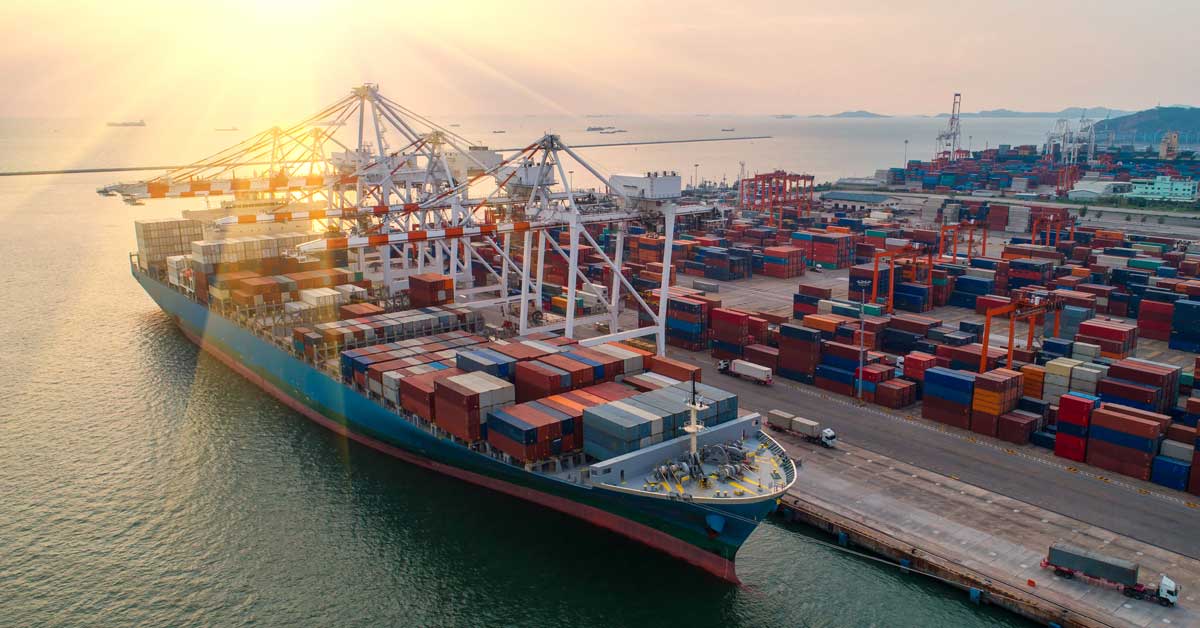
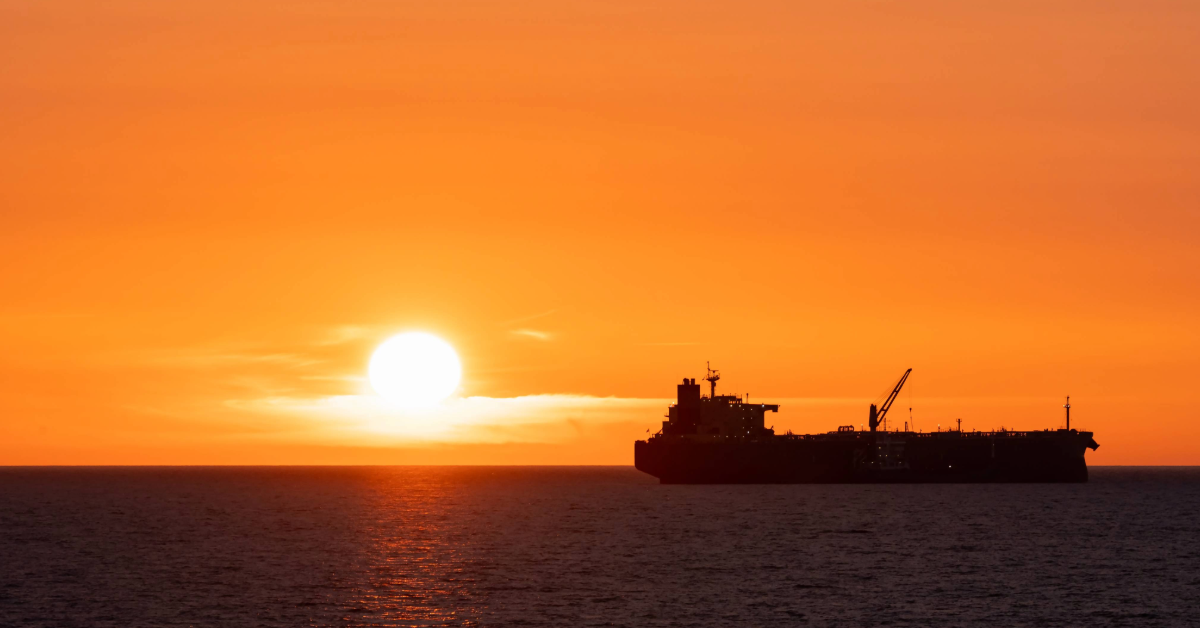
Both sides are aware of the Strait of Hormuz's importance in this conflict. It represents virtually the IRGC's last remaining stronghold. While the Strait is shut down, the global economy will begin to shift due to the massive disruption of crude oil and natural gas exports.

Regions such as the EU and Asia will scramble to source alternative supplies and must plan accordingly for disruptions expected to last at least 4 to 8 weeks, depending on several factors that could produce worst-case scenarios for the strait.

The number-one factor likely to halt shipping in the region is war-risk premiums on maritime insurance coverage. After February 28, the region was designated a listed area subject to war-risk premiums, and traffic through Hormuz has reportedly dropped by 80 percent since then.

What is the absolute worst-case scenario for the Strait? In our opinion, it would be catastrophic if the IRGC Navy were somehow able to mine portions of the waterway. Even with advanced U.S. technology, confirmed mining would dramatically increase insurance risk.

The positive development is that Operation Epic Fury has significantly weakened the IRGC Navy, reportedly sinking seventeen naval vessels by Day 4 of the operation. The negative reality is that mines can still be deployed by smaller "fast boats," of which many remain operational. Disguised fishing vessels also possess mining capabilities.

We expect the U.S. International Development Finance Corporation (DFC) to issue U.S. government-backed risk insurance. U.S. Navy escorts are also expected to begin as soon as possible. President Trump announced on Truth Social that escorts would begin if it helped the DFC issue insurance.

Even with wartime risk insurance active, we should expect reduced shipping activity through the strait until the region is completely cleared of mines and potential drone threats.

The challenge is that the DFC has never previously been used to ensure shipping in an active war zone. This would represent a first for the agency and for the shipping industry. With $1–2 billion or more in cargo moving through the strait each day under normal conditions, exposure could increase very rapidly.

What Would a Prolonged Conflict Look Like?

Operation Epic Fury represents Phase One. Hopefully, the United States has learned lessons from the wars in Afghanistan and Iraq regarding how to prevent prolonged asymmetric warfare.

Such conflicts are not only financially costly but also inflict the greatest damage on the civilian populations most affected—in this case, the Iranian people.

Phase One has reportedly destroyed the IRGC's air force and navy, but the United States has not yet deployed ground troops. Iran's military is estimated to be roughly four times the size of the Iraqi forces during the Iraq War (2003–2011).

Without ground control, the United States has not fully defeated the IRGC, potentially allowing it to go underground and evolve into an insurgency.

In this scenario, the United States would need to demonstrate its ability to defend the Strait of Hormuz while the IRGC remains active. This may ultimately prove to be the most likely long-term outcome unless U.S. ground forces can rapidly leverage technological advantages to dismantle the IRGC's military structure.

What Is the Best-Case Scenario?

One question on many observers' minds is why the United States appears determined to confront major oil- and gas-producing countries governed by authoritarian regimes.

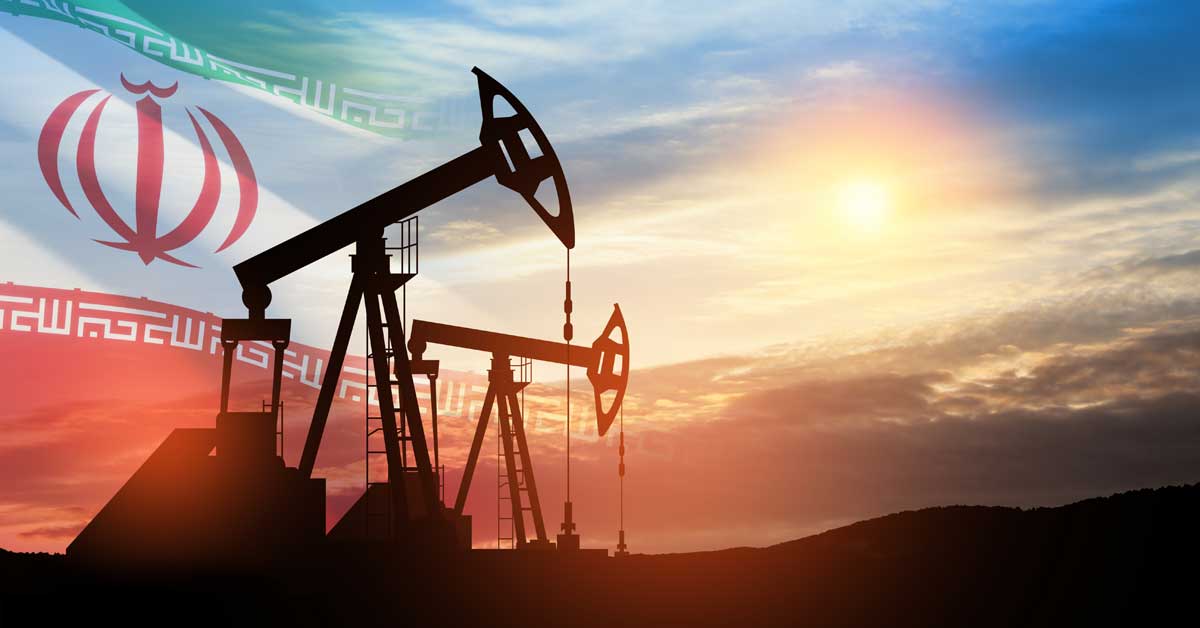
The strategic framework centers on maintaining the U.S. petrodollar's strength. At the core of the U.S. economic system is the Petrodollar Agreement of 1974–1975, when OPEC agreed to price oil primarily in U.S. dollars.

In recent years, however, other currencies have increasingly been used to purchase oil—including the Chinese yuan and the Russian ruble—while BRICS nations have discussed alternative settlement currencies.

Meanwhile, sanctioned Venezuelan and Iranian crude has often been sold at steep discounts, benefiting some of the United States' geopolitical competitors.

If the United States ultimately gains control or influence over these energy supplies, it could force market participants to operate within a system that continues to favor U.S.-dollar-based trade.

If this conflict can be resolved quickly—potentially through the surrender of the IRGC—its inflationary impacts could be minimized. The United States could exert influence over another rogue oil-producing state, and global energy trade could be reshuffled to reinforce the U.S. dollar's central role.