Bioethanol Takes a Step Toward New Marine Fuel Market for US Producers
 ResourceWise: Oct 7, 2026, 8:57:37 AM
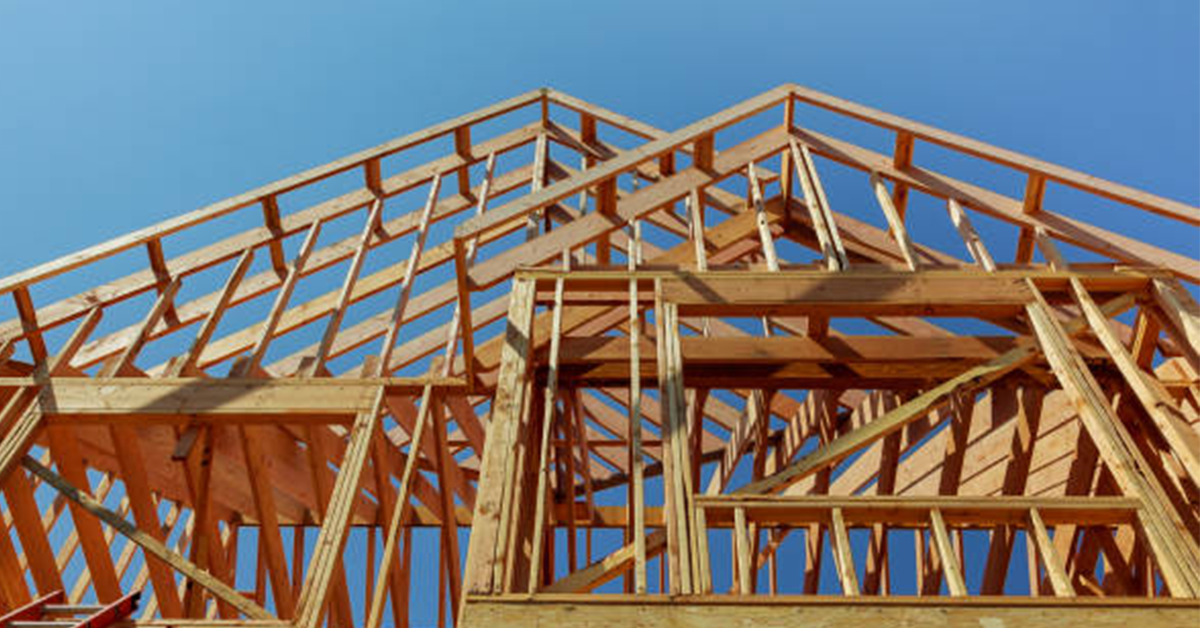
The North American housing market is characterized by resilience, adaptability, and evolving demand trends. Builders, suppliers, and buyers are all navigating an environment shaped by elevated costs, affordability pressures, and economic uncertainty.
For the forest products sector, these conditions are creating a nuanced outlook for lumber demand and production.
Housing activity has shown flashes of strength in recent months, particularly in new home sales and housing starts. But beneath the surface, the broader market remains constrained by persistent affordability challenges, higher financing costs, and cautious consumer sentiment. Builders are increasingly balancing demand opportunities against rising material and energy costs, while consumers continue to delay or rethink purchasing decisions.
These pressures are influencing everything from construction timelines to purchasing behavior.
At the same time, remodeling and repair activity continues to provide an important counterbalance. Aging housing stock, demographic trends, and homeowners choosing to renovate instead of relocating are supporting steady demand for wood products even as new residential construction slows. This trend is becoming increasingly important for lumber markets, as repair and remodeling represents a substantial share of overall wood consumption in North America.
Another key dynamic shaping the market is the changing global flow of softwood lumber supply. Import patterns, regional production shifts, and evolving pricing trends are all contributing to market volatility. Producers and buyers alike need to be agile in their supply chain decisions and pricing strategies.
Consumer confidence also remains a critical variable. Inflationary pressures, energy costs, and broader economic uncertainty continue to weigh on purchasing decisions, particularly among first-time homebuyers. While pockets of demand remain healthy, the market is increasingly sensitive to macroeconomic signals and cost fluctuations.
Taken together, these trends point toward a housing and lumber market that is not collapsing, but recalibrating. Growth opportunities still exist, particularly in remodeling, regional supply advantages, and strategic production planning. However, success in this environment depends on understanding how these interconnected factors are reshaping demand across the industry.
To learn more about the latest housing, lumber production, pricing, and market demand trends across North America, download our full Market Insights report, Housing Headwinds and Lumber Market Resilience in North America. With the full report, you’ll gain access to a deeper analysis of the forces shaping the forest products market in 2026.

 ResourceWise: Oct 7, 2026, 8:57:37 AM
 ResourceWise: Oct 5, 2026, 11:42:56 AM
ResourceWise : Feb 13, 2026, 9:27:49 AM
Any credible push to expand US homebuilding has immediate implications across the building materials complex. Recent headlines suggesting that major...

 Audrey Dixon : Nov 21, 2024, 12:00:00 AM
America has spoken and the result of the November 5, 2024, US election is a sea-change in government. The big questions now being asked are how the...
Audrey Dixon : Oct 1, 2025, 2:19:43 PM
On September 29, 2025, President Trump signed a proclamation invoking Section 232 of the Trade Expansion Act of 1962, imposing tariffs on imports of...