2 min read
[Video] Molecules to Markets Episode 4: How the Iran Conflict Is Reshaping Global Chemical Markets
ResourceWise
:
Mar 13, 2026 3:48:51 PM
Geopolitical conflict often sends immediate shockwaves through energy markets—but the implications for chemicals and petrochemicals are more complex and often unfold over time.
In Episode 4 of Molecules to Markets, ResourceWise expert Steve Wilkerson examines how the evolving conflict in the Middle East could affect oil markets, petrochemical feedstocks, global shipping routes, and the competitive balance among regional chemical producers.
From the Strait of Hormuz to naphtha-dependent crackers in Asia and Europe, this episode explores how energy disruptions could ripple across chemical supply chains.
Watch the Video
Why the Strait of Hormuz Matters for Chemical Markets
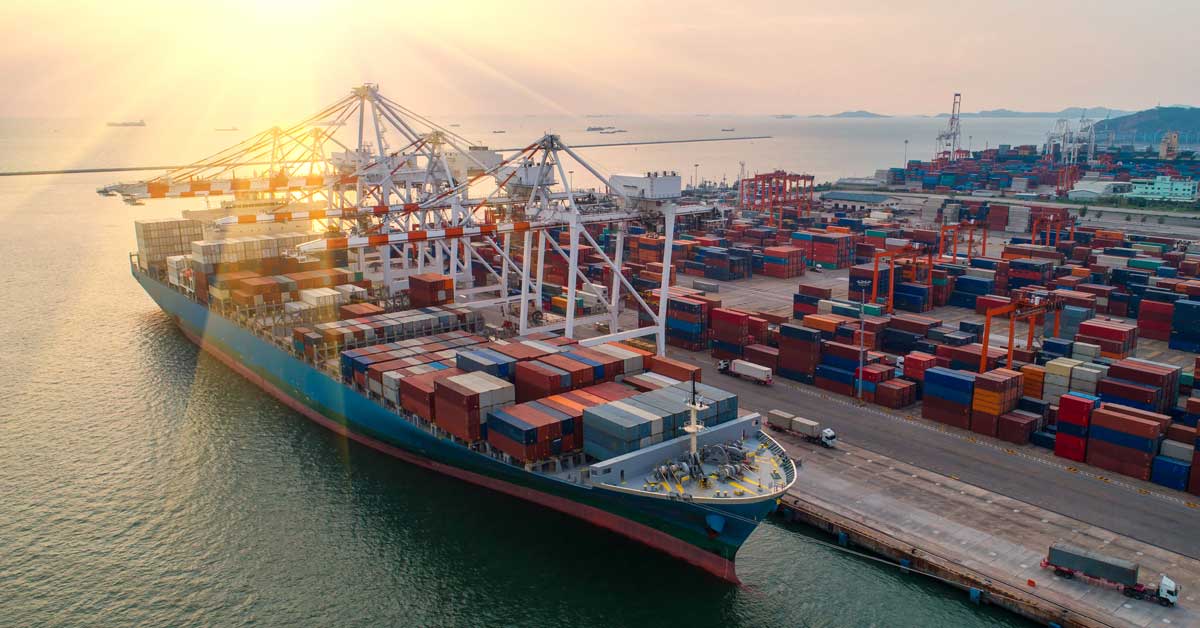
At the center of the current market concerns is the Strait of Hormuz, one of the world's most critical energy chokepoints.
A significant share of global crude oil exports—and a large portion of liquefied natural gas shipments—moves through this narrow waterway. Any disruption, whether through direct conflict, shipping constraints, or increased insurance costs for vessels, can quickly ripple through global commodity markets.
For the chemicals sector, these disruptions are particularly important because energy markets directly influence feedstock costs, transportation flows, and production economics across petrochemical supply chains.
Oil Price Volatility and Petrochemical Feedstock Pressure
The conflict has already contributed to volatility in global crude markets. While energy markets often react first, the consequences for petrochemicals tend to follow as higher oil prices feed into naphtha and other petrochemical feedstocks.
Regions that rely heavily on naphtha-based steam cracking—particularly Asia and Europe—may feel these pressures most acutely. Rising feedstock costs can tighten margins for petrochemical producers and shift regional competitiveness.
If disruptions persist, producers could face increased cost pressure across key petrochemical value chains.
Chemical Markets to Watch: Olefins, Methanol, and Polyethylene
Several chemical markets could be especially sensitive to ongoing energy disruptions and shipping challenges.
Among the markets highlighted in this week's analysis:
- Olefins and downstream polyethylene, which are closely tied to feedstock economics
- Methanol, a globally traded chemical with significant exposure to energy markets
- Urea, where natural gas availability and trade flows play a major role
- LNG, which directly influences energy costs for chemical production
Changes in feedstock pricing or shipping logistics can quickly ripple across these markets, influencing supply availability, production economics, and global trade flows.
Why Asia and Europe May Face Greater Exposure
Regional dynamics will play a major role in how chemical markets respond.
Asia's heavy reliance on imported naphtha feedstocks leaves many producers vulnerable to higher shipping costs or supply disruptions. Meanwhile, parts of Europe's petrochemical infrastructure face additional challenges from aging assets and already elevated energy costs.
These factors could increase operating pressure on certain facilities if feedstock prices remain elevated or shipping routes become constrained.
Could North America Gain a Competitive Advantage?
While global disruptions create uncertainty across markets, they can also shift competitive dynamics.
North American producers—particularly in the United States—benefit from abundant natural gas liquids (NGLs) and relatively modern petrochemical infrastructure. This feedstock advantage can provide resilience when oil-linked feedstocks like naphtha become more expensive.
If the conflict leads to sustained energy volatility, the relative cost advantage for some North American producers could widen.
The Bottom Line for Global Chemicals Markets
Geopolitical conflicts rarely affect just one sector. In this case, the intersection of energy markets, shipping routes, and petrochemical feedstocks creates complex risks for global chemical supply chains.
From the Strait of Hormuz to regional production economics, the evolving situation highlights how quickly geopolitical developments can influence feedstock costs, trade flows, and chemical market competitiveness.
For industry participants, understanding these dynamics is essential to anticipating potential shifts in supply, pricing, and regional advantage.
Watch the latest episode of Molecules to Markets to hear Steve Wilkerson's full analysis.
Isocyanates Markets’ Spring Shoots Frozen Out by Covid-19
Isocyanate markets improved in Q1 2020 but as the COVID-19 outbreak reached worldwide markets the picture changed once again. In previous years,...
Maleic Markets Stumble Towards Recovery
Maleic anhydride markets around the world continue to reel in the face of the global COVID-19 pandemic, which has knocked out thousands of tonnes of...
[Video] Molecules to Markets Episode 1: Chemical Markets Begin 2026 in a Supply-Driven, Margin-Sensitive Environment
Week 1 Chemicals Market Update | Featuring Steve Wilkerson, North American Director of Chemical Sales, ResourceWise