
How Is China’s Pulp and Paper Capacity Growth Affecting Global Markets?
 Marko Summanen: Sep 24, 2026, 1:55:19 PM
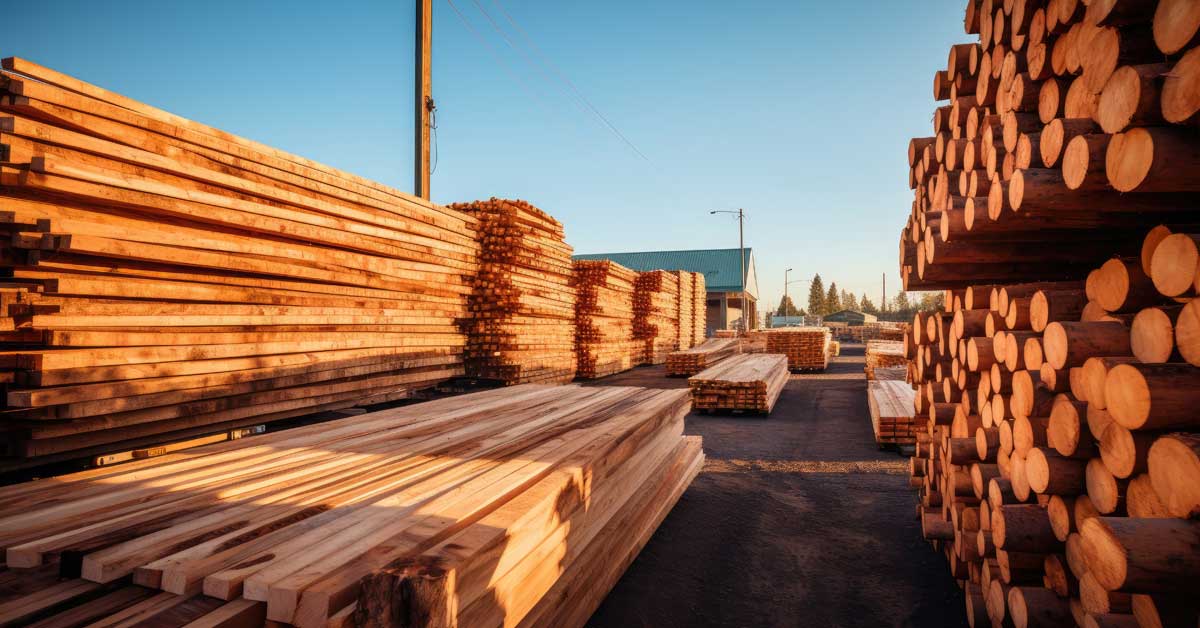
After a prolonged period of uncertainty, there are early signs that the U.S. housing market may be stabilizing. Builder confidence has inched upward, and modest improvements in affordability have helped bring some buyers back into the market.
Recent policy developments, shifting macroeconomic pressures, and evolving supply dynamics will all play a role in what comes next for housing and construction. For stakeholders across the forest products value chain, these changes have significant implications.
While builder sentiment has improved slightly, it remains subdued overall. High construction costs, expensive land, and persistent labor shortages continue to constrain new development. At the same time, many potential homebuyers are still sitting on the sidelines, waiting for more favorable mortgage rates.
Even as pending home sales show small gains, the outlook remains highly sensitive to external pressures—particularly energy markets. Rising oil prices could quickly reverse recent affordability improvements by pushing borrowing costs higher.
Government action may play a pivotal role in determining the trajectory of the housing sector. Pending federal legislation aimed at streamlining development and improving housing supply has been welcomed by many in the US housing industry. However, certain provisions—particularly one that could negatively impact rental housing investment—might unintentionally dampen construction activity.
One of the most overlooked dynamics in today’s market is the age of U.S. housing. With nearly half of homes built before the 1980s and the median home age continuing to rise, the stage is set for sustained remodeling demand.
Yet even this segment is expected to grow more slowly in the coming years, suggesting that the broader construction ecosystem may face a period of tempered—but still meaningful—activity.
The ripple effects of an uncertain housing market are already visible in the softwood lumber market. Prices in early 2026 have softened overall compared to last year, but regional variations tell a more nuanced story. Meanwhile, production trends and shifting trade flows—particularly between the U.S., Canada, and Europe—underscore supply-side challenges.
The dynamics shaping today’s housing and lumber markets are layered, fast-moving, and often misunderstood at a glance.
Our full Market Insights report, “Signals and Shifts: What’s Driving the North American Lumber Market,” brings clarity to the noise—combining on-the-ground data, policy analysis, and pricing intelligence to help you see what’s really driving the market.
Access the full report to stay ahead of market shifts and make more informed decisions.

 Marko Summanen: Sep 24, 2026, 1:55:19 PM

 ResourceWise: Sep 24, 2026, 8:45:24 AM
 ResourceWise: Sep 23, 2026, 8:57:48 AM
ResourceWise : Feb 13, 2026, 9:27:49 AM
Any credible push to expand US homebuilding has immediate implications across the building materials complex. Recent headlines suggesting that major...

ResourceWise : Mar 24, 2026, 10:54:06 AM
The second half of 2025 brought a mix of stabilization and continued uncertainty across global forest products markets. While pricing indicators...

 Pete Stewart : Feb 4, 2025, 12:00:00 AM
The economic landscape of North America is experiencing one of the most intense periods of trade tension in its history. President Trump's...