
 Audrey Dixon

What Is Biofuel Blending and How Does It Work?
 ResourceWise: Sep 14, 2026, 2:40:15 PM
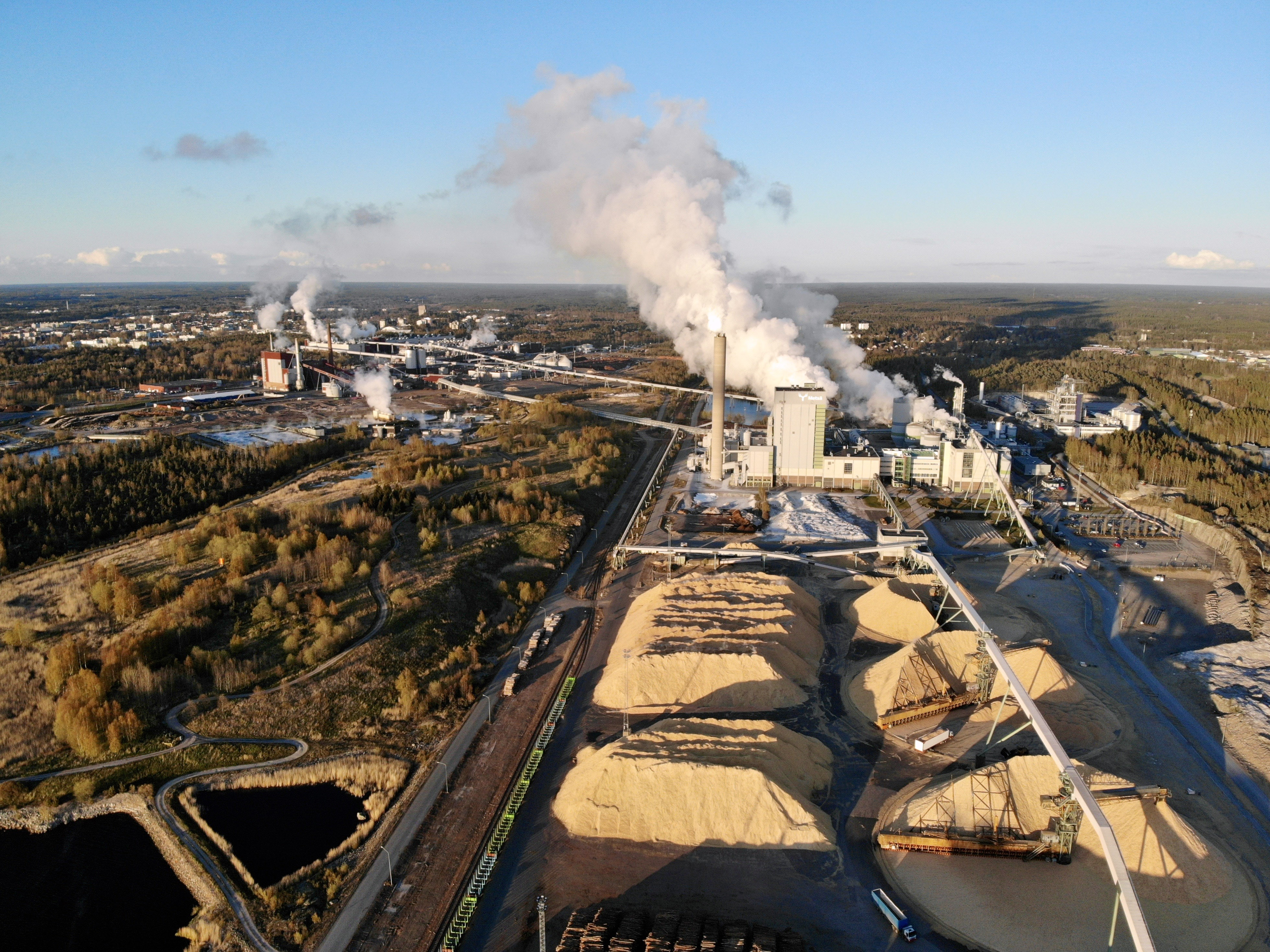
In 2024, Brazil exported nearly 20 million metric tons (MT) of pulp, marking a 3% increase in volume compared to 2023 and a 34% rise in export value.
These numbers are expected to grow as planned pulp mill investments come to fruition. Some of these include:
Competition for land in Brazil and investments in pulp production capacity have been key factors in rising log prices for the past two decades. However, Brazil’s pulp producers have the advantage of a huge and expanding planted forest resource to provide wood fiber. The country’s planted tree area has expanded to reach 10.2 million hectares, while protecting and expanding the wood fiber resources plays an important role in pulp producers’ investment decisions. Suzano’s R$22.2 billion Cerrado Project investment includes R$6.3 billion for timber plantations and logistics, while Klabin announced plans at the end of 2023 to purchase Arauco’s forestry assets in Paraná for US$1.16 billion.
Brazil is the largest supplier of hardwood pulp to the US, and its pulp industry is waiting to see how it might be affected by the current US enthusiasm for tariffs. There has been some speculation that any increase in prices of Northern Bleached Softwood Kraft Pulp (NBSK) as tariffs hit Europe and Canada could push US tissue producers to switch to hardwood pulp, increasing business for Latin American producers.
Brazil's pulp industry is on a promising trajectory, fueled by substantial investments in new pulp mills and the expansion of timber plantations. While challenges such as increasing log prices and land competition persist, Brazil's extensive planted forest resources offer a significant competitive advantage.
As the leading supplier of hardwood pulp to the US, Brazil stands to gain from potential shifts in global pulp demand. For further insights into Brazil's pulp mill investments and wood fiber costs, download ResourceWise's Market Insight report "Brazilian Pulp Industry’s Wood Costs Moderate and Timber Plantation Expansion Is Integral to Several New and Planned Pulp Mill Investments."


 Sam Uctas: Sep 14, 2026, 1:23:22 PM

 Javier Rivera: Sep 14, 2026, 10:20:43 AM
 Bruce Janda : Dec 5, 2023, 12:00:00 AM
Portuguese-speaking Brazil managed to avoid the fragmentation experienced by the Spanish-speaking countries of Latin America during the colonial...

ResourceWise : Jul 17, 2025, 2:25:39 PM
On July 9, 2025, US President Donald Trump announced plans to impose a 50% tariff on all imports from Brazil, with the new policy slated to take...
Bruce Janda : Mar 30, 2022, 12:00:00 AM
Those within the tissue industry know Brazil for its robust eucalyptus pulp production, which is generally used within the tissue segment due to its...