
New IRS 45Z Guidance Tightens Link Between Feedstocks and Biofuel Economics
 ResourceWise: Oct 12, 2026, 2:25:00 PM
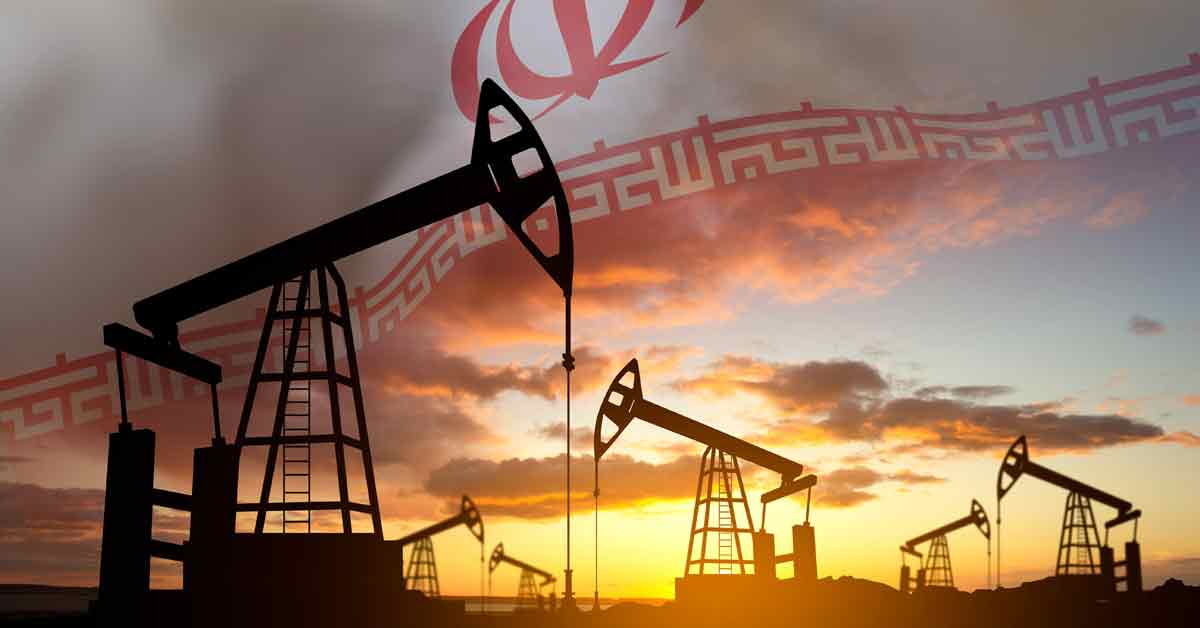
Escalating conflict in the Middle East is once again injecting volatility into global energy markets. While the immediate impacts are being felt in oil and natural gas, the ripple effects could extend across biofuels markets as well.
Recent military actions involving the United States, Israel, and Iran have already disrupted regional energy infrastructure and shipping routes. Accordingly, we have already seen a spike in global oil and gas prices.
While price increases remain modest so far, analysts warn that the conflict could trigger deeper disruptions. The risk is amplified if regional energy infrastructure is damaged or shipping through the Strait of Hormuz beccomes further restricted.
Bombing campaigns have already killed hundreds in Iran and triggered retaliatory strikes across the region, including attacks on oil and gas facilities. Saudi Arabia’s Ras Tanura refinery reportedly sustained some damage following drone interceptions. Similarly, QatarEnergy temporarily halted production at two liquefied natural gas facilities after military attacks.
The greatest risk to global energy markets lies in the Strait of Hormuz. The narrow passage connects the Persian Gulf to the Arabian Sea and serves as one of the world’s most critical energy chokepoints.
According to the US Energy Information Administration, about one-fifth of global oil and LNG supply moves through the Strait of Hormuz. Since the conflict began, tanker traffic has dropped sharply, signaling even greater disruptions in the near-term.
Estimates suggest that approximately 70 crude oil tankers and 75 clean tankers carrying refined products are currently in the Middle East Gulf, apparently waiting for clearance to transit the region. This represents nearly twice the typical number, with an additional 60 tankers positioned just east of the Strait of Hormuz awaiting entry outside the Gulf.
Thus far, markets have absorbed the disruption relatively well. Oil prices were about 7 to 9 percent higher compared to levels before the bombing campaign began.
Some analysts warn the situation could escalate quickly and cause even larger spikes as combat continues. While oil supply disruptions are the most immediate concern, natural gas markets could also face pressure.
Daniel Sternoff, a senior fellow at Columbia University’s Center on Global Energy Policy, noted that global gas markets are more vulnerable to supply shocks because inventories tend to be smaller. Europe and Asia will likely feel the largest impacts, while the US would be somewhat insulated thanks to its status as the world’s leading producer of natural gas.
However, oil markets are different.
Even though the United States is a net exporter of oil, American consumers remain exposed to global crude prices because refiners still import significant volumes of oil. A sustained increase in crude prices could therefore translate into higher gasoline costs in the country (and worldwide).
For biofuels markets, higher fossil fuel prices historically create mixed effects.
On the one hand, rising gasoline and diesel prices can strengthen the competitiveness of renewable fuels and the economics of biofuel blending. Higher fossil fuel costs can also encourage governments and consumers to examine alternative energy sources more closely.
But the reality of the situation is much more complex than this one element. For biofuels producers and market participants, the key question will be duration.
Short-term oil price spikes often create temporary margin shifts but limited structural change in biofuel demand. However, prolonged volatility in global oil supply could alter blending economics, trade flows, and policy dynamics across renewable fuels markets.
Disruptions in shipping routes or geopolitical instability in major oil-producing regions could also strengthen the strategic case for diversified energy supply. This includes further attention and investment in biofuels, renewable diesel, and sustainable aviation fuel that don't rely on one geographic location for feedstock sourcing and production.
At this stage, energy markets remain in a wait-and-see mode.
If tanker traffic through the Strait of Hormuz returns to normal levels and infrastructure damage remains limited, the conflict's impact on global energy markets may prove short-lived.
But if disruptions deepen or expand across regional energy systems, the ripple effects could extend well beyond oil and gas. The gravity of the situation could significantly impact global fuel economics and influence the trajectory of biofuels markets in the months ahead.
For now, the situation underscores a familiar lesson for energy markets: geopolitics remains one of the most powerful and unpredictable drivers of global fuel prices.
To help navigate the complex uncertainty of the biofuels market, join ResourceWise for a critical webinar event: Biofuels Market Update Q2 2026.

Matthew Stone, Vice President of Low-Carbon Fuels, will guide you through the primary factors impacting the market right now and into the short- and long-term. This includes an update on what’s happening in the Middle East and more insights on what to expect.
Simply put, you don’t want to miss this live event, so register today and secure your spot.

 ResourceWise: Oct 12, 2026, 2:25:00 PM
 ResourceWise: Oct 9, 2026, 9:12:17 AM
 ResourceWise: Oct 7, 2026, 8:57:37 AM
ResourceWise : Aug 4, 2026, 3:56:07 PM
Escalating conflict in the Middle East is once again injecting volatility into global energy markets. While the immediate impacts are being felt in...

ResourceWise : Jun 23, 2026, 9:17:03 AM
Despite their tumultuous and tenuous status, the recent outline of peace terms between the United States and Iran has quickly reshaped market...

ResourceWise : Apr 6, 2026, 3:54:34 PM
The Iran War continues to substantially impact global economics, particularly within the energy and bioenergy fields. This month's market update...