
New IRS 45Z Guidance Tightens Link Between Feedstocks and Biofuel Economics
 ResourceWise: Oct 12, 2026, 2:25:00 PM
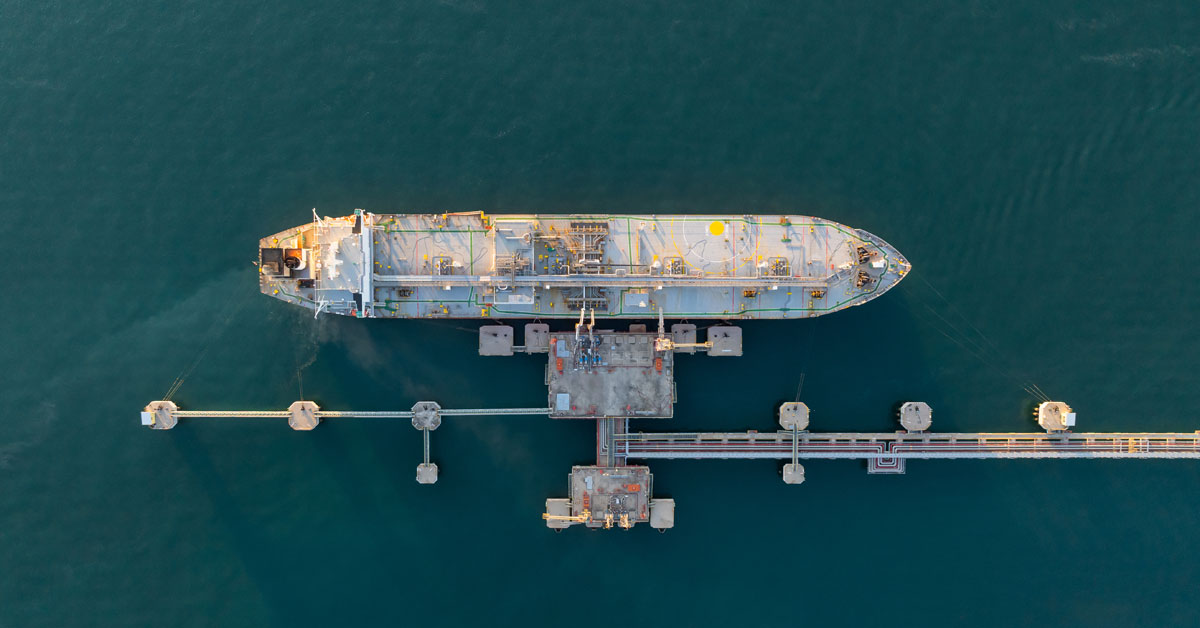
Marine biofuels are often discussed at the fuel level with options including B24, B30, B100, UCOME, FAME, HVO, Bio-LNG, and Bio-methanol. But as the marine fuels market matures, a more important question may increasingly sit one step upstream:
What feedstock is available, certifiable, scalable, and commercially viable?
That question is becoming central to bio-bunkering strategy. Vessel readiness, port infrastructure, and emissions regulation all matter. But without reliable access to qualifying feedstocks, marine biofuel growth can quickly run into constraints on pricing, supply, and verification.
The latest Bio-Bunkering at a Glance report from ResourceWise highlights this dynamic. In June, European used cooking oil markets remained robust while Asian palm oil mill effluent weakened. ARA FAME gained even as parts of the broader biofuels complex softened.
At the same time, new trials and announcements point to growing industry interest in multi-feedstock approaches, B100 supply, FAME Distillation Residue, bio-LNG, and other lower-carbon marine fuel pathways.
The main takeaway here is that marine biofuels are not simply a fuel story. They are a feedstock story, too.
Shipping companies are under growing pressure to meet several requirements:
Reduce emissions
Comply with regional and global regulations
Demonstrate credible progress toward decarbonization
Marine biofuels have gained attention because many can serve as drop-in or near-drop-in solutions. This allows shipowners and charterers to reduce emissions without waiting for entirely new vessel fleets or fuel infrastructure.
But demand at the vessel level does not automatically translate into supply at the bunker hub.
Every marine biofuel pathway depends on an upstream chain of feedstocks, processing capacity, certification, logistics, and documentation. Used cooking oil, waste animal fats, palm oil mill effluent, FAME, HVO inputs, biomethane, bio-methanol, and other low-carbon inputs each bring different commercial and operational considerations.
Some are more available in certain regions. Some face stronger competition from road fuels, aviation, chemicals, or power. Some offer attractive emissions profiles but are harder to scale. Others may be technically viable but require more work around quality, traceability, and onboard handling.
For buyers, that means the practical question is not simply, "Can we buy bio-bunkers?" Instead, it's "Can we buy the right bio-bunker, in the right location, with the right documentation, at a price that supports our compliance and commercial goals?"
Used cooking oil (UCO) has become one of the most important feedstocks in the marine biofuels conversation. UCO-based fuels, including UCOME, are widely referenced across bio-bunkering benchmarks and have played an important role in early market development.
However, reliance on UCO also highlights one of the market’s biggest structural challenges: availability.
The latest report notes that biofuels for global shipping rely heavily on used cooking oil and points to expectations that UCO availability is approaching projected limits. That matters because marine demand is not developing in isolation. UCO is also sought after by road transport, renewable diesel, biodiesel, and sustainable aviation fuel markets.
As a result, marine fuel suppliers and shipowners are beginning to look more seriously at additional waste-based and residue-based feedstocks.
This is why multi-feedstock trials are so important. In June, BHP and the Global Center for Maritime Decarbonization announced a pilot involving a B100 blend made from used cooking oil and waste animal fats. The project is designed to assess how biofuels from different feedstocks can be blended, handled, and introduced under real-world operating conditions using existing UCO bunkering infrastructure.
That kind of trial matters because it moves the market beyond a narrow feedstock base. If marine biofuels are going to scale, the sector will need more flexibility in what qualifies, what can be safely blended, and what can be reliably supplied across major bunkering hubs.
The marine fuels market is global, but feedstock economics are highly regional.
June's market signals illustrate that point. The Bio-Bunkering at a Glance report shows robust European UCO prices alongside softer Asian POME. It also highlights ARA FAME gains amid a weaker broader biofuels complex.
Those regional differences matter. A shipowner considering bio-bunkering in Rotterdam may face a very different feedstock and incentive environment than one bunkering in Singapore, Hong Kong, Barcelona, or other emerging alternative fuel hubs.
This is especially important because bio-bunker pricing is shaped by more than the physical fuels themselves. Buyers must consider multiple factors:
Feedstock Availability
Certification Value
Blending Economics
Local Incentives
Regional Regulations
Logistics
Fossil Fuel Pricing/Biofuel Premium Relationship
In other words, the same headline fuel category can carry very different economics depending on where and how it is sourced.
For fuel buyers, traders, and suppliers, this creates both complexity and opportunity. Companies with better visibility into regional feedstock markets may be better positioned to identify cost-effective supply, manage volatility, and understand where bio-bunker adoption is most commercially realistic.
Feedstock availability is only one part of the equation. The other is credibility.
As the market grows, marine biofuels will need to demonstrate verifiable greenhouse gas savings, chain of custody, and compliance with recognized sustainability standards. That is particularly important in a sector where buyers may be using biofuels to support emissions reporting, regulatory compliance, customer claims, or book-and-claim models.
Marine biofuels are not just competing on price or availability. They are competing on trust.
A fuel that cannot be properly documented may have limited value, even if the physical molecule is available. Conversely, a more expensive fuel with stronger certification, traceability, and compliance value may be commercially attractive in the right regulatory or customer context.
This is where feedstock strategy and compliance strategy begin to overlap. The feedstock determines the emissions profile. The documentation determines whether that emissions profile can be claimed. The market value depends on both.
The marine decarbonization conversation often looks for a single winner. But the latest market signals suggest a more complicated reality.
Biodiesel, renewable diesel, bio-LNG, bio-methanol, ethanol, synthetic fuels, ammonia, hydrogen, and other pathways are all developing at different speeds. Within biofuels specifically, the feedstock picture is also broadening:
Used cooking oil will remain important.
Waste animal fats may help expand supply.
POME and other residues will continue to influence regional pricing.
FAME Distillation Residue could offer new marine-specific advantages.
Biomethane and bio-LNG may benefit from existing LNG infrastructure and mass balancing.
Bio-methanol could create another route for operators investing in methanol-capable vessels.
No single pathway is likely to solve every commercial, regulatory, and operational challenge. Instead, the market is moving toward optionality.
That makes feedstock market intelligence a strategic requirement. Shipowners, fuel suppliers, traders, and investors need to understand not only which fuels are gaining attention but also which feedstock pathways can support real adoption.
The next phase of marine biofuels growth will not be determined only at the port or onboard the vessel. It will be determined throughout the upstream value chain.
Feedstock availability, certification, regional pricing, logistics, and demand from other sectors will all influence how quickly marine biofuels can scale and where they make the most commercial sense.
For market participants, the implication is clear: understanding marine biofuels requires understanding the feedstocks behind them.
As the sector moves from early adoption to more serious commercial deployment, the companies with the strongest visibility into feedstock markets will be better equipped to manage risk, capture opportunity, and make informed decisions in a more complex marine fuels landscape.

ResourceWise’s Bio-Bunkering at a Glance report provides a monthly view of the market signals shaping marine biofuel adoption, including bunker sales and regional pricing, feedstock benchmarks, compliance costs, and industry announcements.

 ResourceWise: Oct 12, 2026, 2:25:00 PM
 ResourceWise: Oct 9, 2026, 9:12:17 AM
 ResourceWise: Oct 7, 2026, 8:57:37 AM

ResourceWise : Aug 7, 2026, 9:36:19 AM
For much of the past two years, Singapore has been the undisputed leader in bio-bunkering, benefiting from its status as the world's busiest...
ResourceWise : Aug 12, 2026, 8:15:00 AM
After retreating in June, bio-bunker prices moved sharply higher in July as stronger feedstock values, rising biodiesel prices, and renewed...
ResourceWise : Jun 10, 2026, 8:51:16 AM
Europe's maritime sector is under growing pressure to decarbonize. But the current vessel order book still leans heavily toward conventional fuels,...