
How Is China’s Pulp and Paper Capacity Growth Affecting Global Markets?
 Marko Summanen: Sep 24, 2026, 1:55:19 PM
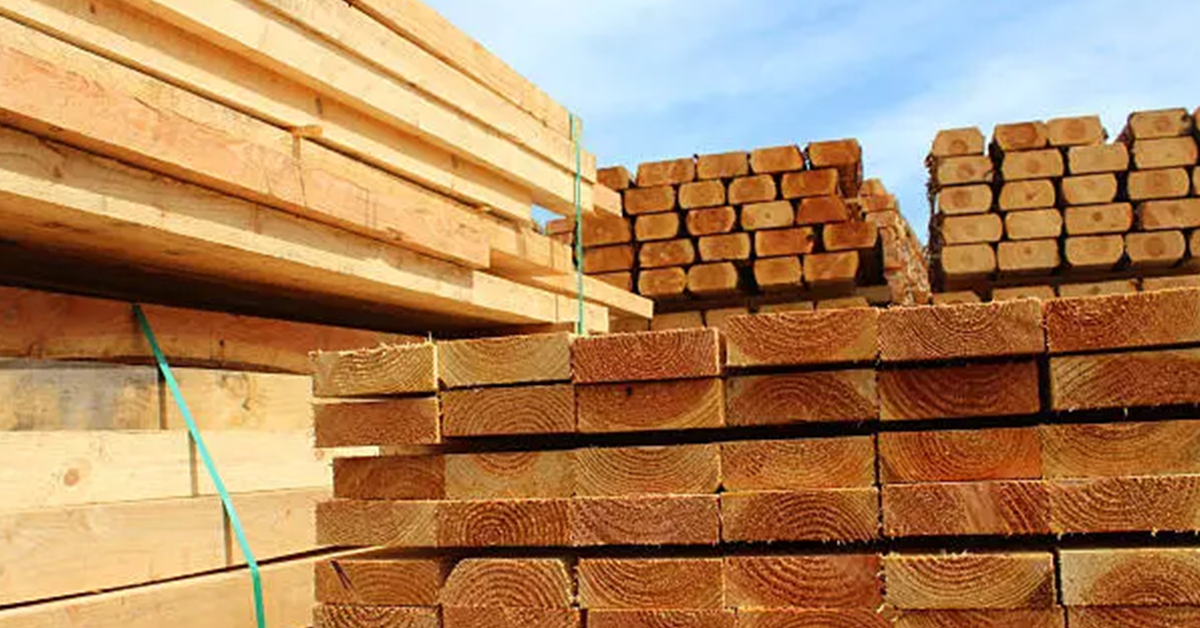
While North American softwood lumber consumption has declined in 2026, prices have remained surprisingly resilient due to constrained supply, reduced production, and persistent structural demand for housing despite ongoing affordability challenges.
The North American lumber market is sending mixed signals.
On one hand, builders continue to face affordability concerns, elevated mortgage rates, and cautious consumers. On the other hand, lumber prices have generally strengthened throughout 2026, despite year-over-year declines in consumption. Understanding why these seemingly contradictory trends can exist simultaneously is critical for producers, distributors, manufacturers, and anyone making purchasing or investment decisions in the forest products sector.
Here's what the latest market indicators are telling us.
The U.S. housing market continues to balance between long-term demand for new homes and short-term economic pressures.
Several key indicators illustrate this tension:
These trends suggest that, while housing demand hasn't disappeared, the market is adapting to economic realities rather than expanding uniformly.
One of the biggest questions buyers are asking is: If lumber demand is lower, why are prices still rising?
The answer lies on the supply side.
Although North American lumber consumption has declined year over year, production has also contracted. Reduced output across both the United States and Canada has helped keep supply relatively tight, supporting pricing across many lumber grades.
Market pricing doesn't respond to demand alone. When supply falls alongside consumption, prices can remain firm—even during periods of slower market activity.
Another important dynamic is North America's ongoing supply imbalance.
For years, U.S. lumber consumption has exceeded domestic production, requiring significant imports to bridge the gap. This structural dependence has kept supply conditions sensitive to production changes, trade policies, and import availability.
As production adjusts across North America, market participants continue to watch inventory levels, regional output, and trade flows for clues about future pricing direction.
Today's lumber market isn't defined by a single trend.
Housing indicators remain mixed, consumption has softened, yet prices have stayed resilient because supply has tightened alongside demand. For companies operating across the forest products value chain, understanding how these forces interact is essential for better purchasing, pricing, and strategic planning.
Download the full Market Insights report to explore the key trends, data, and expert analysis shaping today's lumber market and what they could mean for your business.

Why are lumber prices increasing if housing is slowing?
Lumber prices are being supported by a tighter supply. While consumption has declined, production has also fallen, creating a more balanced market than demand numbers alone would suggest.
Is the U.S. housing market improving?
The market remains mixed. Some construction activity has strengthened, particularly in multifamily housing, but affordability challenges and elevated mortgage rates continue to pressure single-family demand.
What factors influence North American lumber prices?
Key drivers include housing demand, production levels, regional supply, imports, trade policy, and broader economic conditions.
 Marko Summanen: Sep 24, 2026, 1:55:19 PM

 ResourceWise: Sep 24, 2026, 8:45:24 AM
 ResourceWise: Sep 23, 2026, 8:57:48 AM
ResourceWise : Feb 13, 2026, 9:27:49 AM
Any credible push to expand US homebuilding has immediate implications across the building materials complex. Recent headlines suggesting that major...
ResourceWise : Sep 30, 2024, 12:00:00 AM
Recent earnings reports from major forestry companies paint a concerning picture for the lumber industry, with a noticeable decline in 2Q lumber...

ResourceWise : Oct 8, 2025, 11:30:11 AM
North America’s softwood lumber market looks likely to end 2025 no more settled than it was at the beginning. Producers and buyers alike continue...