
New IRS 45Z Guidance Tightens Link Between Feedstocks and Biofuel Economics
 ResourceWise: Oct 12, 2026, 2:25:00 PM
2 min read
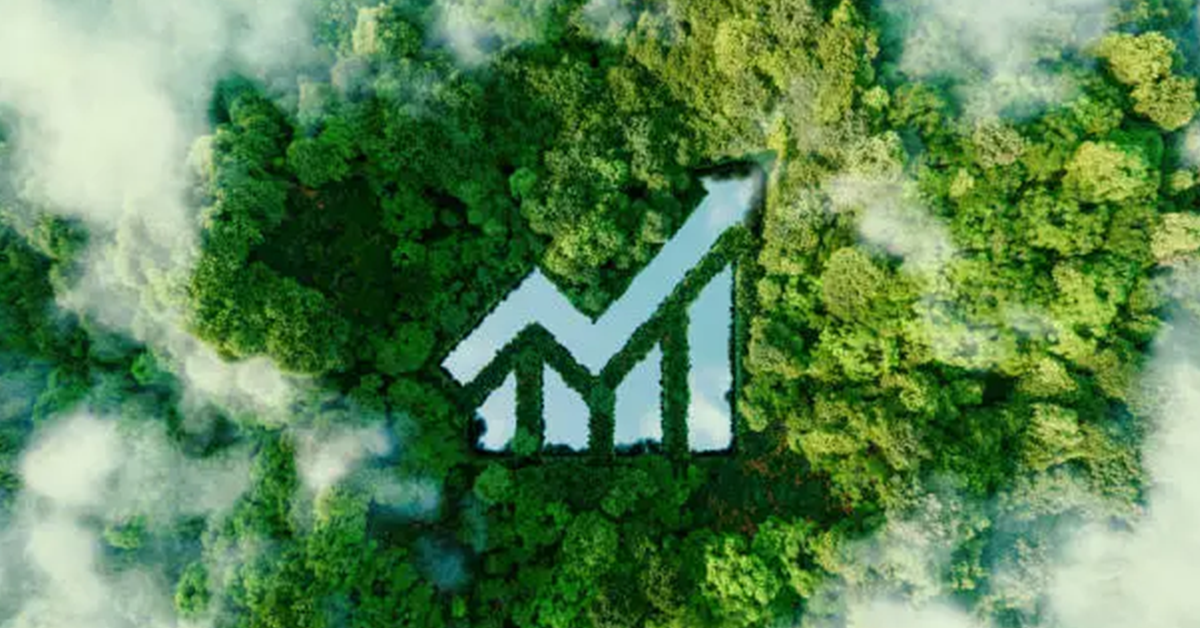
Finland’s economy has long been rooted in its forests—but in 2026, the sector sits at the intersection of energy transition, environmental regulation, and global market uncertainty. A glance at Finland’s real-time energy production reveals a system increasingly diversified across nuclear, hydro, and renewables. Yet beneath this transition lies a quieter but equally critical story: the evolving role of forestry in powering both industry and energy systems.
Finland’s energy picture depends heavily on whether we look at electricity output or total primary energy consumption.
In electricity, nuclear power provides a stable base of about 4,200 MW, while hydropower has around 3,200 MW of capacity but often produces closer to 1,500 MW, depending on rainfall and snowmelt. Wind capacity has grown rapidly to about 8,000 MW, but actual output varies sharply, creating grid-balancing challenges during swings between over- and undercapacity.
The broader energy balance tells a different story. When heat, fuels, and industrial energy are included, bioenergy remains Finland’s largest energy source, at roughly 135 TWh, ahead of nuclear energy at about 105 TWh. Oil remains significant at around 70 TWh, while hydro and wind contribute roughly 25 TWh and 20 TWh, respectively.
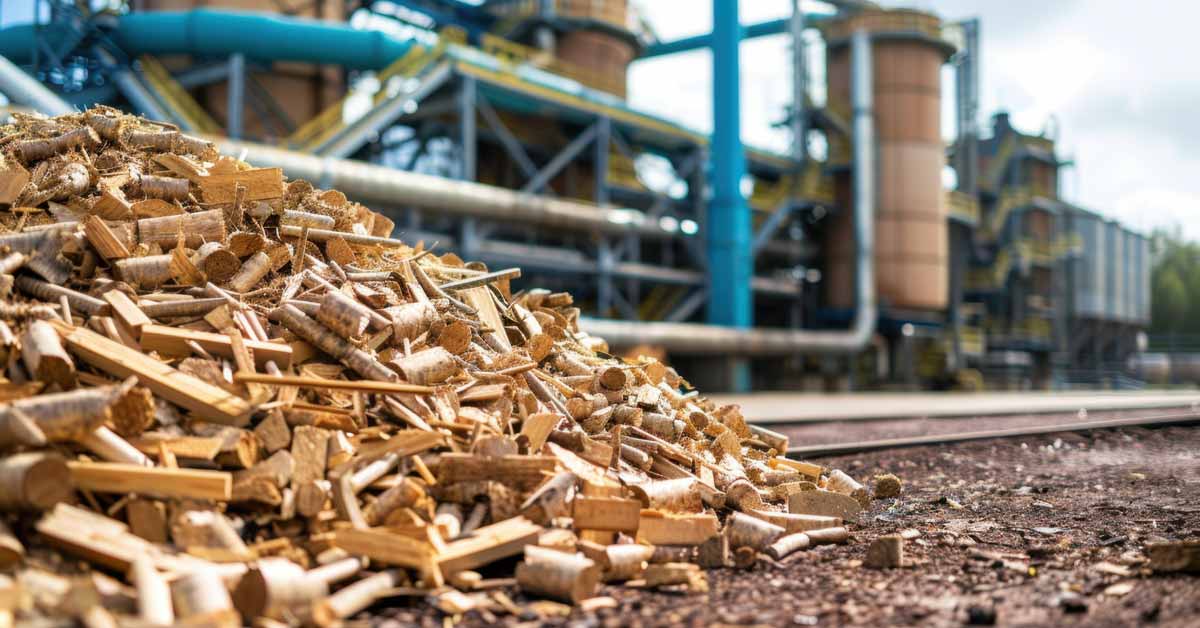
This matters for forestry because forest-based energy—wood fuels, black liquor, and residues—remains central to Finland’s energy system, even as its role is slowly declining due to electrification, electric boilers, heat pumps, and growth in wind and nuclear power.
The Finnish forestry industry is currently navigating a cyclical downturn:
This correction follows a period of overheated markets and is now compounded by subdued global demand—particularly in Europe and China. Pulp markets remain soft, with producers curtailing output and delaying investments in new capacity.
At the same time, logistics challenges—such as rising fuel costs and disruptions to global shipping routes—are increasing costs for Finland’s export-heavy forest industry. With freight prices surging and supply chains strained, margins across the value chain are under pressure.
Environmental regulation is becoming a defining force in Finnish forestry.
A new government proposal would restrict logging during birds’ nesting seasons, introducing legally binding requirements for biodiversity protection. Logging could be limited for several months annually in sensitive habitats, potentially tightening timber supply.
At the same time:
These developments highlight a structural shift: forestry is no longer judged solely on output, but increasingly on ecological impact, carbon balance, and amenity values.
Despite headwinds, the Finnish forestry sector continues to demonstrate resilience and adaptability:
Meanwhile, state forestry operator Metsähallitus reported record financial performance in 2025 while expanding conservation efforts and renewable energy development. This reflects a broader trend: integrating commercial forestry with sustainability and land-use diversification.
Finland’s forestry industry is entering a new phase—less defined by volume growth and more by efficiency, sustainability, and integration into the broader bioeconomy.
Key trends to watch include:
In many ways, Finland’s forests remain as vital as ever—but their role is changing. No longer just a source of raw materials, they are becoming a strategic asset in climate policy, energy systems, and sustainable land use.

 ResourceWise: Oct 12, 2026, 2:25:00 PM
 ResourceWise: Oct 9, 2026, 9:12:17 AM
 ResourceWise: Oct 7, 2026, 8:57:37 AM
ResourceWise : Apr 22, 2024, 12:00:00 AM
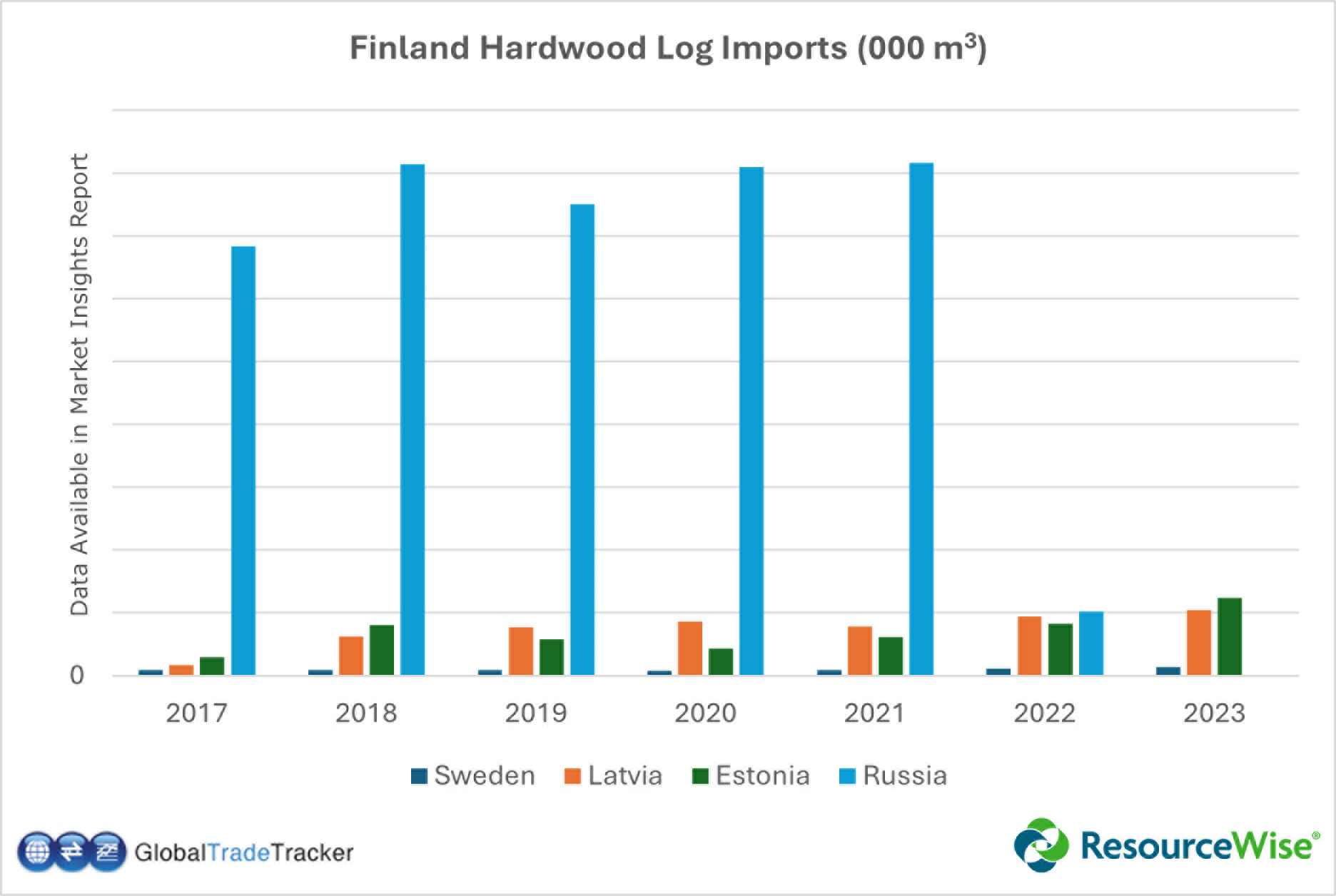
Recent geopolitical events have impacted a range of industries, including Finland's hardwood log import market. Recent shifts in the international...
The forest products market worldwide is anything but stagnant. With various factors such as weather conditions, policy changes, and global demand...
ResourceWise : Oct 28, 2024, 12:00:00 AM
In a time when sustainable energy has become a necessity, Finland is emerging as a leader in innovation and adaptability. It was recently reported...