
New IRS 45Z Guidance Tightens Link Between Feedstocks and Biofuel Economics
 ResourceWise: Oct 12, 2026, 2:25:00 PM
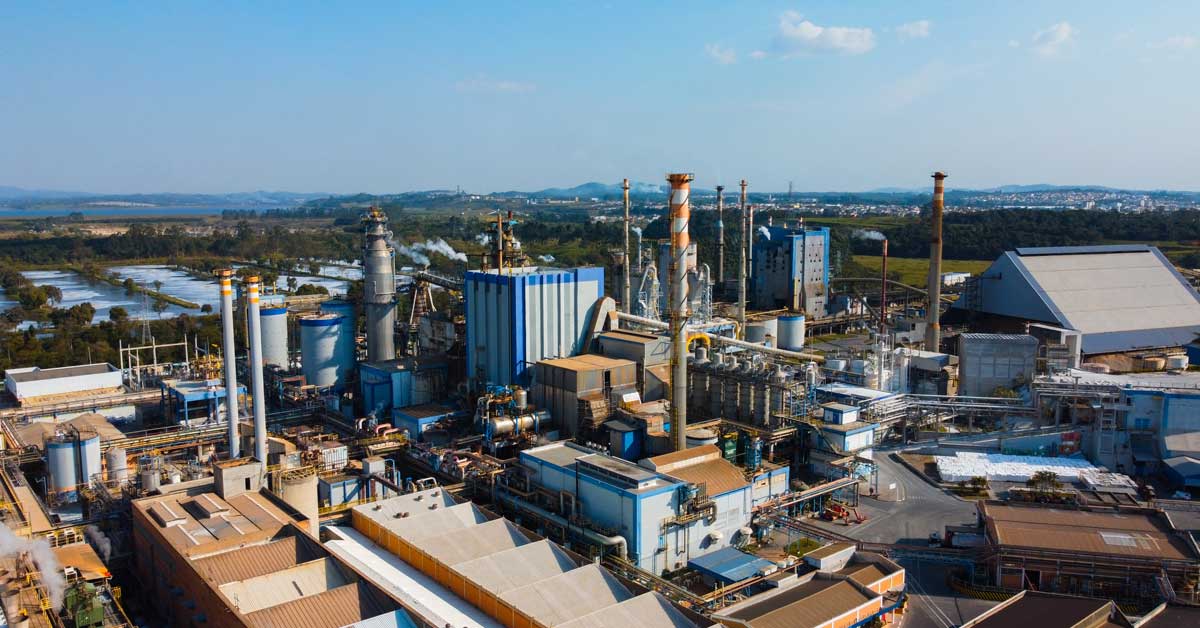
A new study commissioned by Transport & Environment (T&E), a leading European clean-transport NGO (non-government organization), is shining a spotlight on a growing bottleneck in Europe’s decarbonization strategy. There is a severe shortage of truly sustainable biogenic CO₂.
According to the report, Europe can currently count on 92 million tons of biogenic CO₂ per year that meets T&E’s sustainability criteria. However, as industries ramp up production of e-fuels and carbon-removal technologies, that supply will fall dramatically short.
To arrive at its 92mn t/yr estimate, the report applies a narrow definition of what qualifies as sustainable biogenic CO₂. Only three types of facilities make the cut:
Meanwhile, major sources such as bioethanol fermentation and biomass power plants are excluded for relying on feedstocks T&E views as unsustainable. The result? Most traditional biogenic CO₂ producers besides pulp mills are left out.
Based on the limited pool of CO₂, T&E suggests that Europe may be able to support up to 11.5mn t/yr of e-SAF (sustainable aviation fuel) production. While this number may seem large at first sight, it reflects less than a quarter of the EU’s current jet fuel demand.
And that’s just the beginning.
Demand for biogenic CO₂ won’t be driven just by e-fuels. The report notes that carbon dioxide removal (CDR) projects, such as bioenergy with carbon capture and storage (BECCS), will begin to compete heavily for the same CO₂ streams.
By 2050, combined demand from e-fuels and CDR could reach anywhere from:
In both cases, Europe’s 92 million tons of sustainable supply will not even come close to meeting that demand.
T&E is blunt in its conclusion: even under conservative assumptions, “the minimum demand case already exceeds supply.”
One long-term solution, direct air capture (DAC), could theoretically supply unlimited atmospheric CO₂. But the report points out that commercial-scale DAC remains years behind schedule. Developers are still grappling with the jump from pilot plants to full-scale deployment, and timelines continue to slip.
Until DAC becomes viable at scale, biogenic CO₂ remains the only near-term option. And simply stated, Europe doesn’t have enough of it.
The European Commission has taken note. In its newly published Bioeconomy Strategy, the Commission announced plans to release rules for biogenic carbon capture and storage in the coming year.
According to the statement, the EU ETS review will explore pathways to recognize biogenic permanent removals under the Carbon Removal and Carbon Farming Certification Framework (CRCF). Meanwhile, the Innovation Fund will continue supporting Bio-CCUS (carbon capture, utilization, and storage) projects that can scale.
This policy clarity could help unlock infrastructure investment. But it won’t solve the underlying supply crunch.
Given the scarcity, T&E argues that the EU should prioritize biogenic CO₂ for e-fuel production. This solution can directly displace fossil fuels in hard-to-abate sectors like aviation and maritime.
But prioritization alone won’t help unless CO₂ can actually move from where it’s produced to where it’s needed. So the report evaluates four options for transporting CO₂ from point source to e-fuel producers, ranking them by cost and practicality:
Pipelines offer the cheapest transport for large, steady volumes. But current plans focus heavily on the North Sea, leaving major biogenic CO₂ sources in Finland, Sweden, Slovakia, and Central/Eastern Europe disconnected.
Rail transport works well for e-fuel facilities using ~300kt/yr of CO₂ over medium distances (~300 km). The study highlights rail as a cost-effective option for distributed sources.
High-purity CO₂ streams, such as those from biogas plants, can be aggregated and moved by truck at smaller scales. This would serve as an important bridging solution while the market grows.
For large coastal clusters of CO₂ producers and users, shipping provides flexibility and additional long-distance capacity.
Europe’s decarbonization roadmap increasingly depends on biogenic CO₂ as a critical feedstock for next-generation fuels and carbon-removal projects. But T&E’s analysis makes one point clear: Europe doesn’t have enough sustainable biogenic CO₂ to meet its future needs.
Unless policymakers expand infrastructure, tighten sustainability definitions consistently, and accelerate investment in technologies like DAC, the region risks hitting a hard supply ceiling long before reaching its climate goals.
Need some help navigating the uncertain pathway of the biofuels market? Join ResoureWise for a live webinar covering the most important topics in the industry.

Hosted by Matthew Stone, ResourceWise's VP of Business Development and Low Carbon Fuels, the webinar will cover all these major topics:
You won't want to miss this critical update on what to look out for in the 2026 biofuels market. Register today to secure your spot.

 ResourceWise: Oct 12, 2026, 2:25:00 PM
 ResourceWise: Oct 9, 2026, 9:12:17 AM
 ResourceWise: Oct 7, 2026, 8:57:37 AM
ResourceWise : Aug 6, 2026, 9:30:33 AM
The European Commission's latest review of the EU Emissions Trading System could mark a significant turning point for Europe's emerging...
ResourceWise : May 13, 2026, 8:55:55 AM
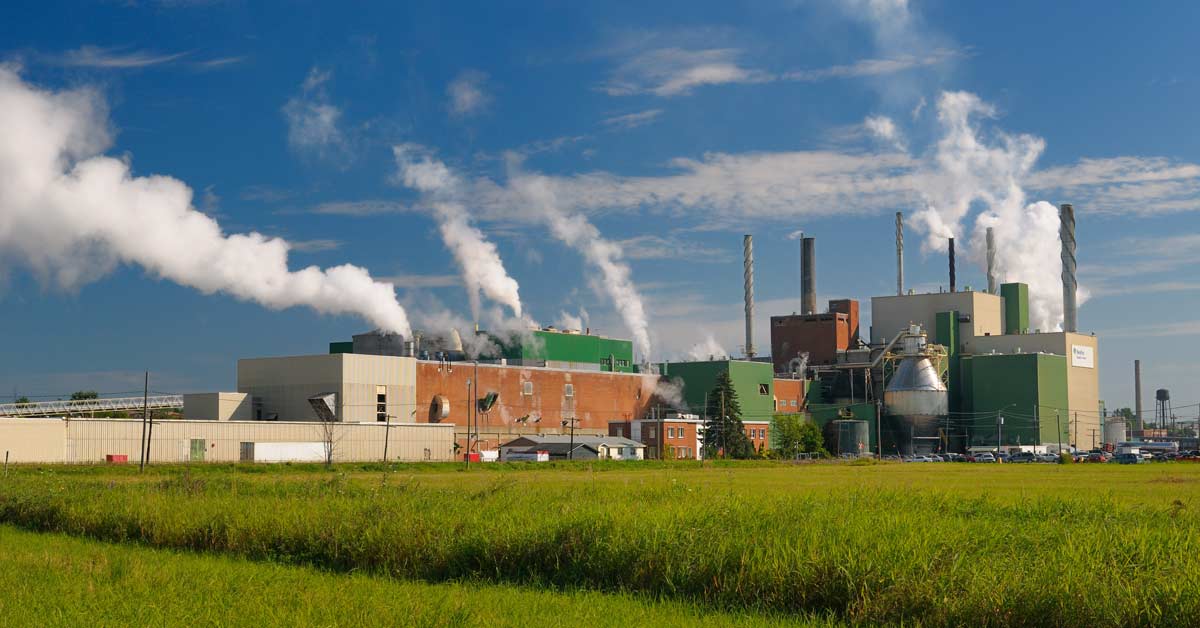
For decades, pulp mills have largely been viewed through the lens of traditional fiber production. But that perception is beginning to shift.
ResourceWise : Apr 16, 2026, 10:34:55 AM
Pulp mills have long played a critical role in the forest products value chain. Now, they are taking on a new one: becoming strategic suppliers of...