
New IRS 45Z Guidance Tightens Link Between Feedstocks and Biofuel Economics
 ResourceWise: Oct 12, 2026, 2:25:00 PM
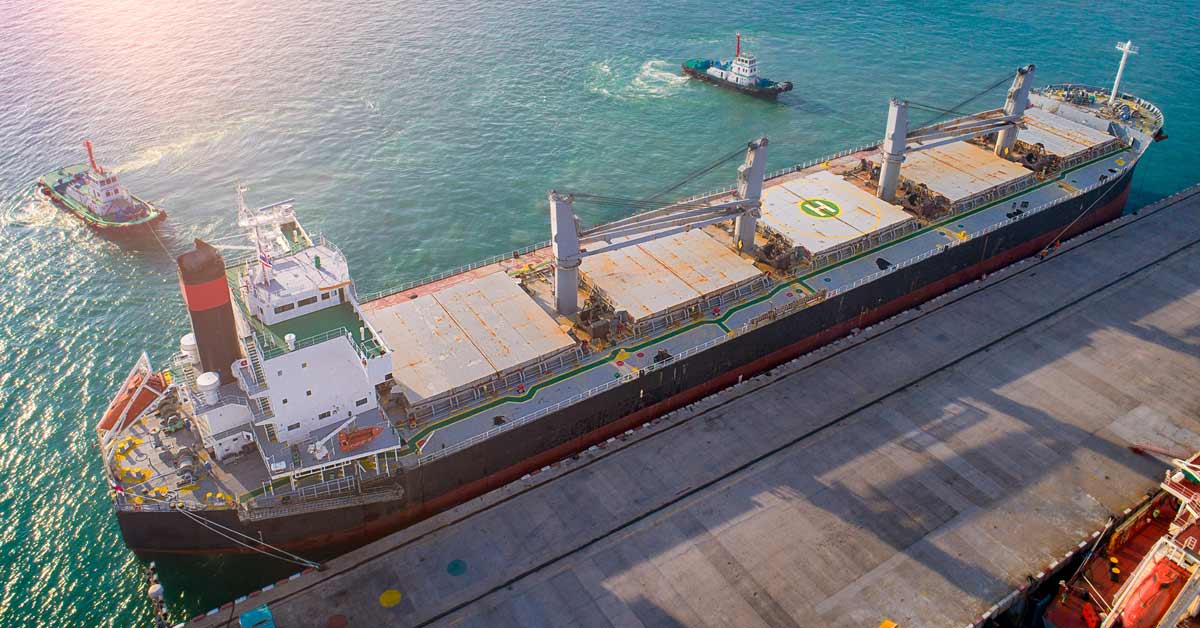
Europe's maritime sector is under growing pressure to decarbonize. But the current vessel order book still leans heavily toward conventional fuels, creating a potential opening for conventional biofuels in shipping.
Alternative fuels such as e-fuels remain central to long-term decarbonization plans. However, many of these options are still difficult to scale. In the near term, that gap could support a higher-growth scenario for established biofuels like biodiesel, renewable diesel, biomethanol, and ethanol.
According to ResourceWise's Bio-Bunkering Monthly Report, pure biofuel demand in the Ports of Rotterdam and Antwerp-Bruges currently runs at about 240,000 metric tons per year. When demand from other European ports is included, the total estimate rises to roughly 400,000 to 500,000 metric tons per year.
Biodiesel supplies most of this demand today, although other renewable fuels are also part of the mix. These estimates are based on biofuels accounting for about 30% of bio-blended marine fuel sales.
Rotterdam continues to lead in bio-bunkering, with bio-bunkers typically representing more than 6% of the port's total fuel pool in recent quarters. Antwerp-Bruges has been more variable, with its share moving from above 2% to below 1%.
Across Europe, maritime biofuel demand is estimated at 2% of bio-blended fuel, broadly in line with Singapore's biofuel sales share.
FuelEU Maritime's greenhouse gas reduction obligation rises from 2% in 2025 to 6% in 2030. If biofuel demand scaled at the same pace, European maritime biofuel consumption could reach 1.5 million metric tons per year by 2030.
That upper-end scenario is not guaranteed. Several alternative fuel pathways, including LNG, already exceed FuelEU's required decarbonization trajectory beyond 2030. These fuels can also generate surplus certificates for secondary trading, giving obligated parties more compliance flexibility.
Still, strong growth from today's biofuel demand levels remains realistic. Many expected sustainable fuel alternatives, particularly e-fuels, continue to face scale-up challenges. That gives existing biofuels a practical role in bridging the gap between current fleet realities and future decarbonization targets.
Recent industry discussions in Amsterdam also highlighted the growing importance of methane-based pathways, particularly LNG and bio-LNG derived from biomethane.
Several market participants expressed optimism about the role of bio-LNG, while also noting strong competition for biomethane from other sectors. Because LNG and bio-LNG are expected to remain more cost-competitive than e-fuels in the near to medium term, they could delay or crowd out some investment in e-fuel pathways.
Rather than replacing demand for established biofuels, however, these methane-based fuels appear more likely to complement them. Conventional biofuels are still expected to play a major role in the marine fuels mix for the foreseeable future.
Mass balancing will be an important enabler for biomethane growth, supported by regulatory drivers and Europe's significant untapped biogas potential. Virtual liquefaction and the ability of some biomethane sources, such as manure, to deliver negative emissions could further strengthen the pathway's appeal.
The shipping sector is unlikely to rely on a single fuel pathway. Instead, the industry appears to be moving toward a multi-renewable fuel future that includes conventional biofuels, LNG, bio-LNG, biomethane, and eventually e-fuels.
Bankability remains a challenge, and there is still skepticism about whether shipping can reach net-zero emissions by 2050. But in the near term, the combination of conventional-fuel vessels, tightening regulations, and slow-scaling alternatives could give established biofuels a larger role than many expected.
For marine fuel suppliers, producers, and investors, the key question is not whether shipping will decarbonize. It is what fuels can scale quickly, cost-effectively, and credibly enough to meet the sector's next wave of demand.
Marine fuel markets are changing quickly as new regulations, emerging fuel pathways, geopolitical shifts, and evolving trade dynamics reshape the path to maritime decarbonization.

ResourceWise's monthly Bio-Bunkering at a Glance report helps shipowners, fuel suppliers, traders, ports, and investors track the market signals that matter most, including pricing insights, regulatory updates, and key trends shaping global marine fuel demand.

 ResourceWise: Oct 12, 2026, 2:25:00 PM
 ResourceWise: Oct 9, 2026, 9:12:17 AM
 ResourceWise: Oct 7, 2026, 8:57:37 AM

ResourceWise : Jul 1, 2026, 8:53:21 AM
China reached an important milestone in May that could signal a broader shift in global biofuel trade.
ResourceWise : Jan 31, 2025, 12:00:00 AM
The global adoption of biofuels in marine shipping continues to rise as stakeholders seek sustainable and regulatory-compliant solutions for reducing...
ResourceWise : Jun 8, 2026, 2:15:10 PM
The global sustainable aviation fuel market is still in its early stages. Yet one trend is becoming increasingly clear: Europe is pulling SAF into...