
How Is China’s Pulp and Paper Capacity Growth Affecting Global Markets?
 Marko Summanen: Sep 24, 2026, 1:55:19 PM
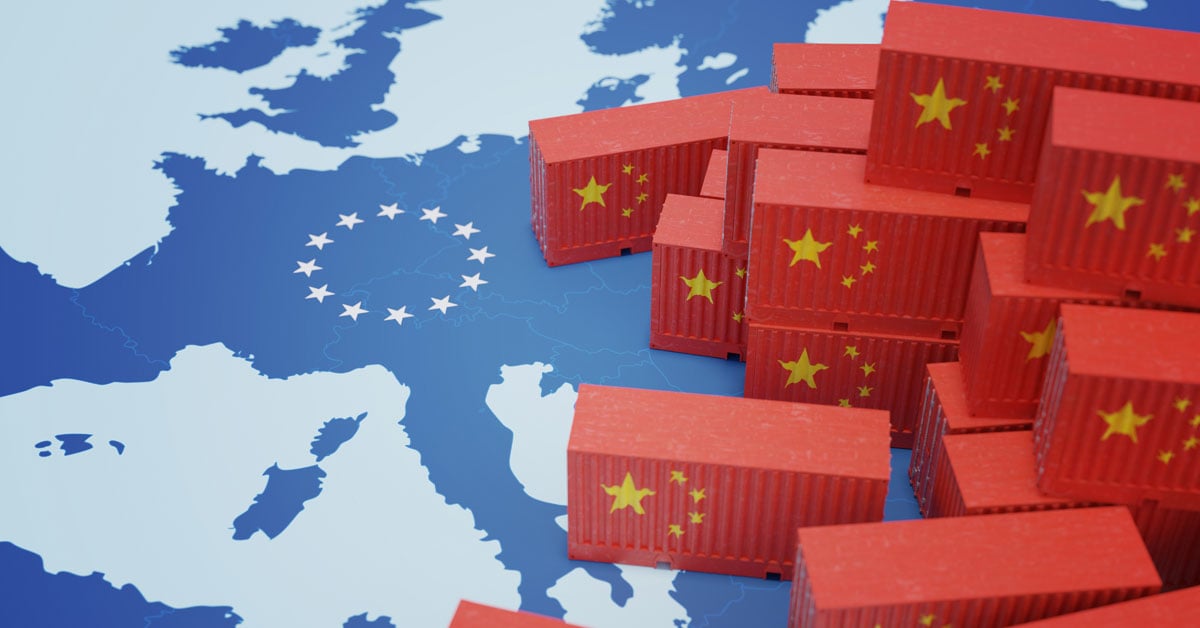
China reached an important milestone in May that could signal a broader shift in global biofuel trade.
For the first time on record, the country exported more hydrotreated vegetable oil (HVO) than biodiesel (FAME) in a single month. While biodiesel remains China's largest biofuel export on a year-to-date basis, the momentum is clearly changing.
HVO's share of China's combined biofuel exports has climbed steadily throughout 2026. The shift reflects changing market dynamics and evolving demand from Europe.
For producers, traders, and feedstock suppliers, this is more than an interesting data point. It offers an early signal of where international biofuel markets may be heading.
According to a Prima CarbonZero analyst report, China exported about 43,500 metric tons of HVO in May, an 11.5% increase from April. During the same period, biodiesel exports fell sharply to approximately 38,500 metric tons, down more than 52% month over month.
Just five months earlier, biodiesel exports outpaced HVO exports by more than 3 to 1. By May, that relationship had completely reversed.
Biodiesel continues to lead year to date with 353,500 metric tons exported between January and May, compared with 215,000 metric tons of HVO. HVO accounted for just 21% of China's combined biofuel exports in January. By May, that share rose to 53%, overtaking biodiesel for the first time.
The shift suggests China's export portfolio is becoming increasingly weighted toward renewable diesel as international demand continues to evolve.
Europe remains the primary destination for both Chinese biodiesel and HVO exports. However, the two products follow notably different trade patterns.
Nearly 90% of China's HVO exports this year were shipped to Europe, with the Netherlands and Belgium accounting for almost the entire market. The Netherlands accounted for just over half of year-to-date HVO exports.
Belgium accounted for nearly 40%, making the Amsterdam-Rotterdam-Antwerp (ARA) region the clear hub for imported renewable diesel. These market motions reinforce the region's role as Europe's primary gateway for low-carbon fuels.
Biodiesel exports tell a more diversified story.
Europe accounted for roughly half of China's biodiesel exports during the first five months of 2026. But shipments were distributed across a wider range of destinations.
The Netherlands has emerged as China's largest biodiesel customer. Imports from the same period last year have more than doubled.
Singapore, Hong Kong, South Korea, and Germany also remained significant destinations. The diversity illustrates that biodiesel continues to serve a broader international customer base than HVO.
Perhaps the most surprising takeaway is that export volumes continue to grow despite Europe's anti-dumping measures.
Since February 2025, the European Union has imposed anti-dumping duties ranging from 10% to 35.6% on Chinese HVO and biodiesel imports, with the stated objective of limiting these trade flows.
Yet the latest export data suggests Chinese producers continue to find opportunities in the European market. Rather than slowing imports altogether, the duties appear to have altered trade economics while leaving Europe firmly established as China's largest overseas customer for renewable diesel.
China's May export data represents more than a monthly statistical milestone. It reflects a broader shift in the composition of global biofuel trade, with renewable diesel steadily gaining importance relative to conventional biodiesel.
At the same time, Europe's continued reliance on imported biofuels underscores the scale of demand being created by decarbonization policies. And this holds true despite trade restrictions.
For market participants, these developments warrant close attention. Changes in export volumes, destination markets, and product mix can influence feedstock demand, regional pricing, and trade flows throughout the broader low-carbon fuels market.
As HVO continues to capture a larger share of China's exports, it may signal where global biofuel demand is headed next.
China’s HVO export milestone is one example of a larger market reality: global biofuel economics are changing quickly.
Product mix, feedstock availability, regional demand, trade policy, and geopolitical disruption are all reshaping how biofuels move through international markets. For producers, traders, procurement teams, and fuel buyers, understanding these signals is critical to protecting margins and identifying opportunities before the market fully adjusts.
To get a broader view of today’s biofuels and feedstocks market, watch our on-demand webinar, Q3 Biofuels Outlook: Iran War Implications. In it, we examine supply-demand disruptions, high oil prices, trade dynamics, international regulation, and the outlook for SAF and marine biofuels.
Watch now to understand how shifting trade flows and market volatility could affect biofuel pricing, feedstock strategy, and commercial decision-making in the months ahead.

 Marko Summanen: Sep 24, 2026, 1:55:19 PM

 ResourceWise: Sep 24, 2026, 8:45:24 AM
 ResourceWise: Sep 23, 2026, 8:57:48 AM

ResourceWise : Jun 10, 2026, 8:51:16 AM
Europe's maritime sector is under growing pressure to decarbonize. But the current vessel order book still leans heavily toward conventional fuels,...

ResourceWise : Sep 13, 2024, 12:00:00 AM
The biofuels and feedstocks market has experienced a persistent downward trend, affecting margins and causing immense strain on producers. But shifts...

ResourceWise : Nov 20, 2025, 4:56:56 PM
North American chemical producers have maintained their competitive edge throughout 2025, benefiting from abundant low-cost feedstock and resilient...