
The final BCAP rule sets out a list of goals and principles governing the program going forward. These goals focus on new markets while protecting established markets:
New Energy Crop Feedstocks
BCAP will reduce the financial risk of producers who support emerging biofuels markets. Crops include, but are not limited to, switchgrass, miscanthus, fast-growing woody poplar, jatropha, algae, energy cane, and pongamia.
Ensures additional production
- Promotes the cultivation of new biomass for new purposes.
- Doesn't penalize existing users of biomass for heat and power.
- Disallows windfalls or undue financial gains for producers seeking payment for using their own waste products in existing conversion practices.
Kick-starts liquid cellulosic biofuels to meet Renewable Fuel Standard targets
BCAP provides bonus incentives for the cultivation of cellulosic biofuels that have 60 percent lower lifecycle greenhouse gas emissions.
Protects existing markets
The USDA will determine if a local market exists for specific materials, and if so, will disqualify that material to protect existing markets.
KiOR Fails to Mind the Gap
Over the course of 2014, bad news has been mounting for KiOR. This image from an Industry Intelligence seach for KiOR provides the headlines. The...
More Uncertainty for NH Biomass on the Horizon
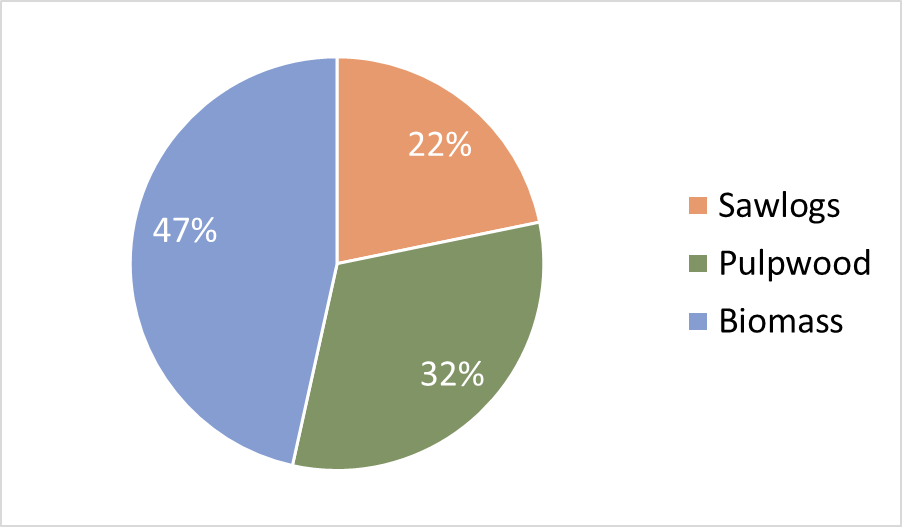
In New Hampshire, nearly half of the volume of wood harvest goes to biomass markets. With the recent veto of legislation to support some of the wood...

Brazil Feedstock Supply and Price for Asian Biomass Consumers
As biopower markets in Asia mature, the increased competition for wood pellets and chips will provide opportunities for suppliers of these materials...


Suz-Anne Kinney