1 min read
PET in Latin America - Will High PET Prices Continue?
Javier Rivera
:
Feb 3, 2021, 12:00:00 AM
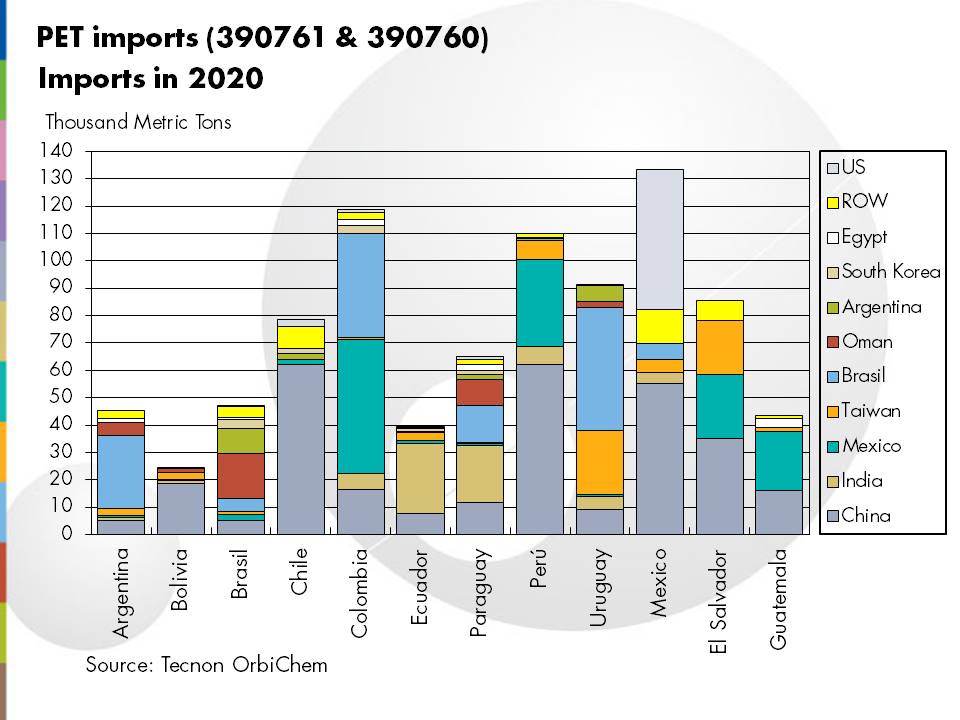
As we moved into the Q4 2020, outstanding demand of PET in the US has improved the performance of producers in America. Not only in the US and North America, demand of PET in South & Central America remained also exceptionally strong in Q4 2020 due to
- The end of most of the limitations for industries and people
- The lack, reduction, or disruptions of recycling activities as collection is done primarily by individuals.
- The peak season for PET-related products in the Southern Hemisphere.
- The need for restocking healthy inventories.
- The governmental subsidies provided to encourage consumption.
- The changes in consumption patterns that boosted new products, formats, and channels for PET-related products.
Most of the reasons continue to justify the high demand for PET-related products, and therefore a high operating rate of converters, users, and PET producers.
All the PET producers in America are running at high rates. Not only in Argentina but also PET producers in Mexico, helped by growing exports, are operating their plants at full capacity. Utilization rates of PET units in Brazil are also at unusual and historically high levels. The high PET rates are expected to continue until the beginning of Q2 2021 when turnaround outages in most of the countries have been scheduled.
Join ResourceWise at AFPM's International Petrochemical Conference 2025
Chlor-Alkali: 2021 Review and Outlook for 2022
This year has been a very turbulent year for the chlor-alkali industry with several weather-related and supply chain issues. They have affected the...
Western PET Sector Profit Loss 2023: How Much and For How Long?
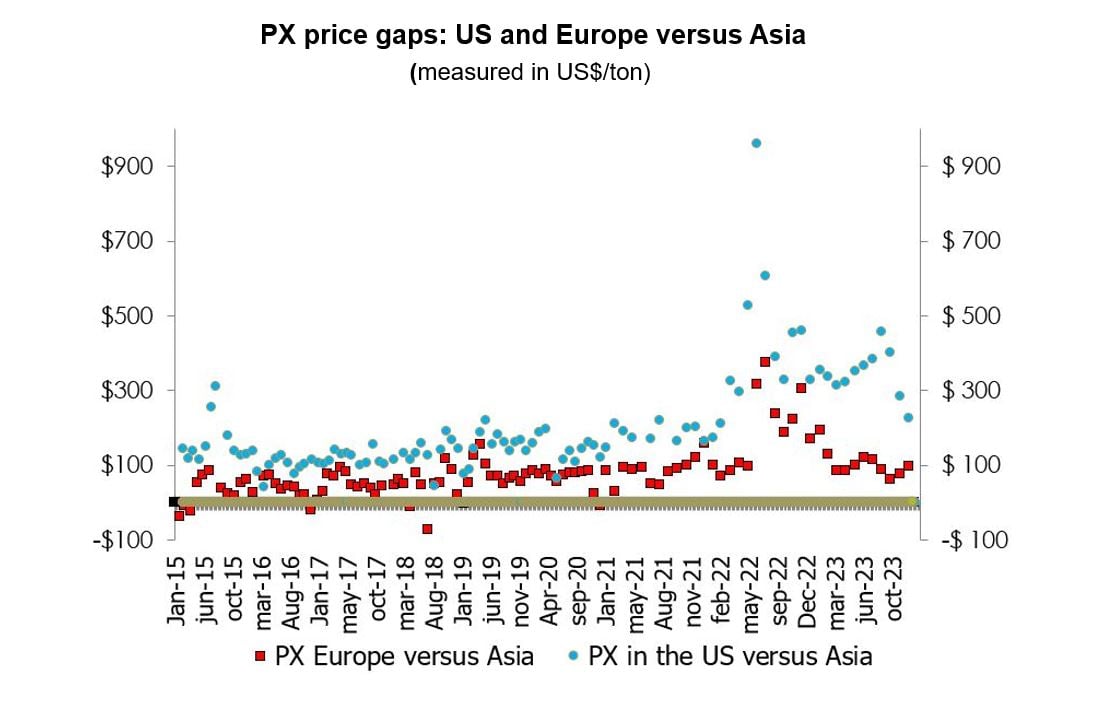
PET industry participants in Europe and North America are locked in a fight for survival. What can the PET sector do to improve its outlook for 2024?...
Where Should PET Resin and Polyester Intermediates be with Brent Crude Oil?
Everything is uncertain and challenges abound for individuals, industries and society at large in the context of today’s COVID-19 pandemic....