
New IRS 45Z Guidance Tightens Link Between Feedstocks and Biofuel Economics
 ResourceWise: Oct 12, 2026, 2:25:00 PM

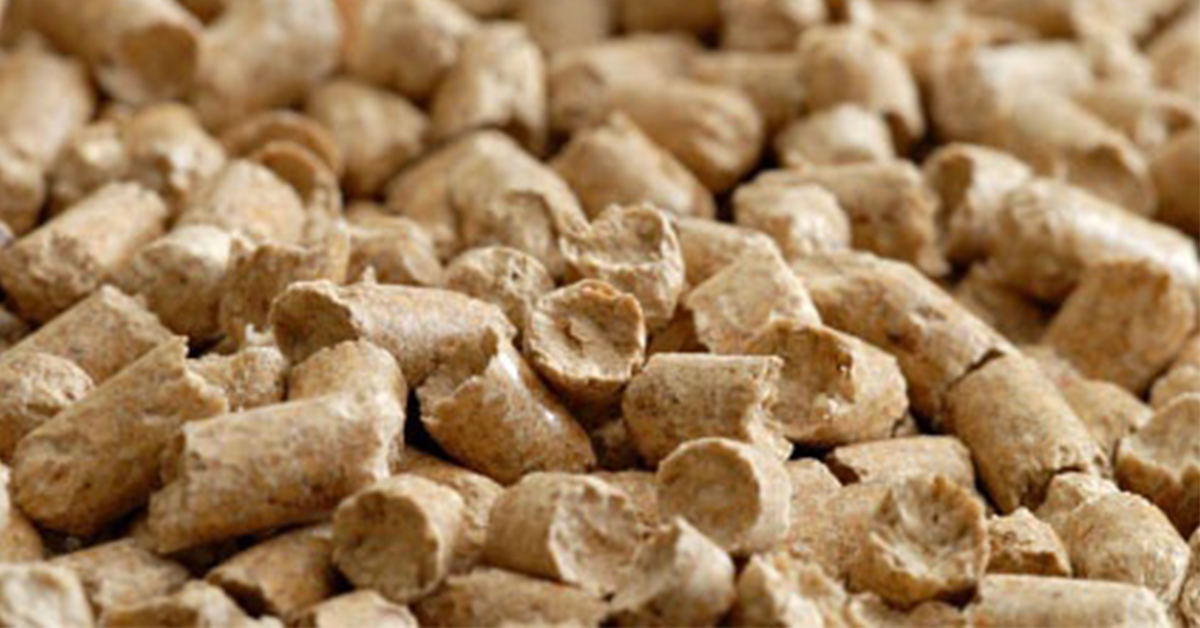
For more than a decade, Vietnam has been one of the biggest success stories in the global wood pellet market. Fueled by strong demand for renewable energy in Japan and South Korea, the country rapidly became Asia's largest wood pellet supplier and the world's second-largest exporter.
But as the market matures, the conversation is shifting. Buyers, regulators, and industry stakeholders are increasingly focused on the resilience, sustainability, and long-term competitiveness of pellet supply chains.
Vietnam's expansion didn't happen by chance. As Japan and South Korea sought alternatives to coal, wood pellets became an important component of their renewable energy strategies. That demand created an enormous opportunity for Vietnamese producers, who quickly scaled production to serve these growing markets.
Today, however, the dynamics are changing. Policy shifts in Japan and South Korea are reshaping biomass incentives, creating new uncertainty for exporters that have become heavily dependent on a relatively small group of buyers.
Rapid growth often attracts greater attention—and higher expectations.
As Vietnam's pellet industry has expanded, discussions have moved beyond production volumes to questions about sourcing practices, supply chain transparency, product quality, and environmental impact. Importing countries are placing more emphasis on sustainability standards, while buyers increasingly expect greater visibility into how pellets are produced.
These developments reflect a broader trend across global biomass markets: commercial success is increasingly tied not only to price and availability, but also to operational transparency and environmental stewardship.
Vietnam is also operating in a more competitive marketplace than it did several years ago.
Emerging suppliers across Southeast Asia are expanding production, while established exporters continue investing in efficiency and sustainability. At the same time, pricing pressures make it more difficult for pellet manufacturers to invest in facility improvements or environmental upgrades, particularly when contracts prioritize cost over long-term partnerships.
As competition intensifies, producers will likely need to balance affordability with investments that strengthen product quality, operational performance, and buyer confidence.
The challenges facing Vietnam are not unique. Around the world, wood pellet producers are navigating similar questions around emissions, community impacts, certification requirements, and supply chain transparency. As biomass markets continue to evolve, these factors are becoming increasingly important to buyers and policymakers alike.
For market participants, understanding these broader trends is becoming just as important as tracking prices and trade flows.
Vietnam remains a critical player in the global pellet trade, but the industry's next chapter will likely be defined by more than export growth alone. Policy changes, evolving buyer expectations, and regional competition are reshaping what success looks like for producers across Asia.
Our latest Market Insights report, “Vietnam’s Wood Pellet Industry Faces Growing Market and Sustainability Pressures,” takes a deeper dive into these developments, exploring the market forces behind Vietnam's rapid rise, the growing scrutiny surrounding the industry, and what these trends could mean for buyers, suppliers, and the broader biomass sector. If you're looking to understand where the Asian wood pellet market is headed next, the full report provides the context and analysis behind these emerging shifts.

 ResourceWise: Oct 12, 2026, 2:25:00 PM
 ResourceWise: Oct 9, 2026, 9:12:17 AM
 ResourceWise: Oct 7, 2026, 8:57:37 AM
 Audrey Dixon : May 22, 2025, 1:49:37 PM
Japan and South Korea have played a key role in the rapid growth of global wood pellet demand over the last decade. Their efforts to replace coal and...
ResourceWise : Apr 20, 2026, 2:18:39 PM
The global wood pellet market has grown steadily over the past decade as countries look for practical ways to reduce emissions and shift away from...
ResourceWise : Feb 13, 2026, 9:27:49 AM
Any credible push to expand US homebuilding has immediate implications across the building materials complex. Recent headlines suggesting that major...