

What Is Biofuel Blending and How Does It Work?
 ResourceWise: Sep 14, 2026, 2:40:15 PM

China’s economy is struggling, with growth decreasing by a projected 0.5% in 2025. Real estate—a sector that makes up over a quarter of the country’s GDP—remains at the heart of this slowdown. Following high-profile developer collapses, the property market continues to weigh heavily on demand for building materials. While early signs suggest the market may have bottomed out, meaningful recovery isn’t expected until 2026–2027.
The decline in China's softwood sawlog imports—which fell by 56% between 2021 and 2024—has had a ripple effect on global timber markets. The decline wasn't just due to lower domestic demand; supply-chain issues made the contraction even more severe. Russia’s log export ban in 2022 and the bark beetle infestations in Central Europe sharply reduced available volumes, leaving China more reliant on a smaller group of suppliers.
New Zealand has long been the dominant player, supplying 70% of China’s 2024 sawlog imports. But this reliance carries risks. With New Zealand's radiata pine plantations reaching maturity, export volumes are projected to decline after 2030. Investments in domestic processing in New Zealand could also redirect more of this timber inward, further tightening global supply.
China’s timber outlook is a complex mix of shifting trade dependencies, domestic investment, and global supply risks. The country’s growing use of engineered wood and its development of plantation-grown timber resources could gradually reshape demand for imported sawlogs. Still, since imports are crucial to fulfill its construction needs, striking the right balance between local resources and global supply will be a key concern to monitor.
Download our full Market Insights report “China’s Engineered Wood Shift and Its Impact on Sawlog Demand” to explore the latest data, supplier trends, and future outlook.


 Sam Uctas: Sep 14, 2026, 1:23:22 PM

 Javier Rivera: Sep 14, 2026, 10:20:43 AM
ResourceWise : Mar 3, 2026, 3:27:44 PM
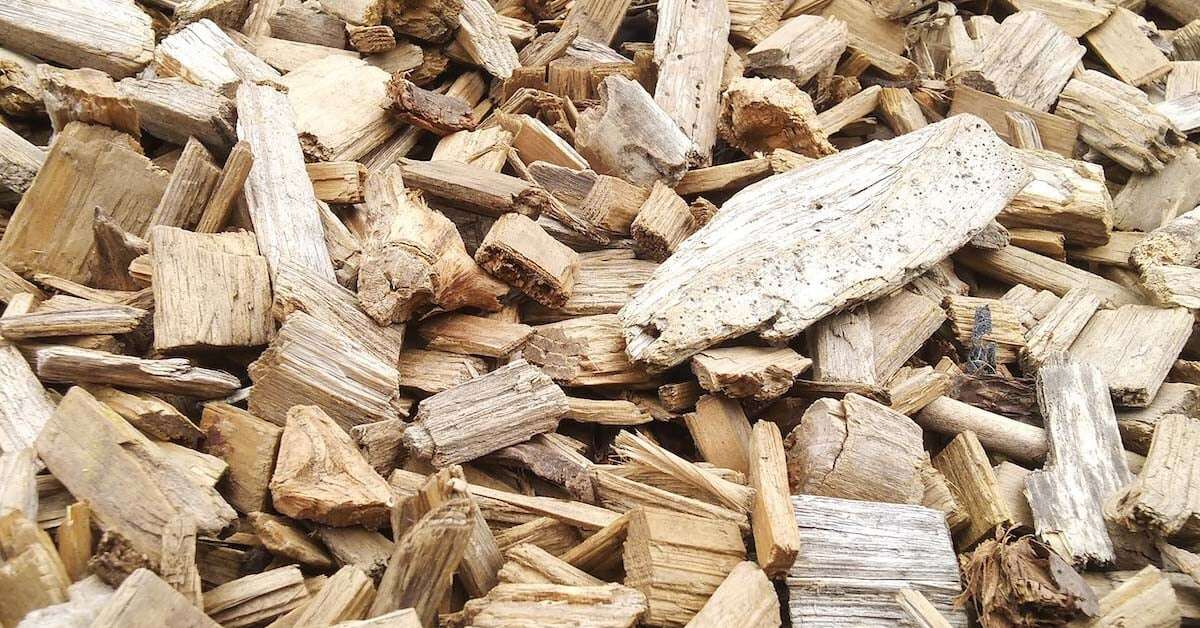
For more than a decade, Australia has been a significant supplier of hardwood and softwood chips to North Asia’s pulp and paper producers. Strong...
ResourceWise : Apr 30, 2024, 12:00:00 AM
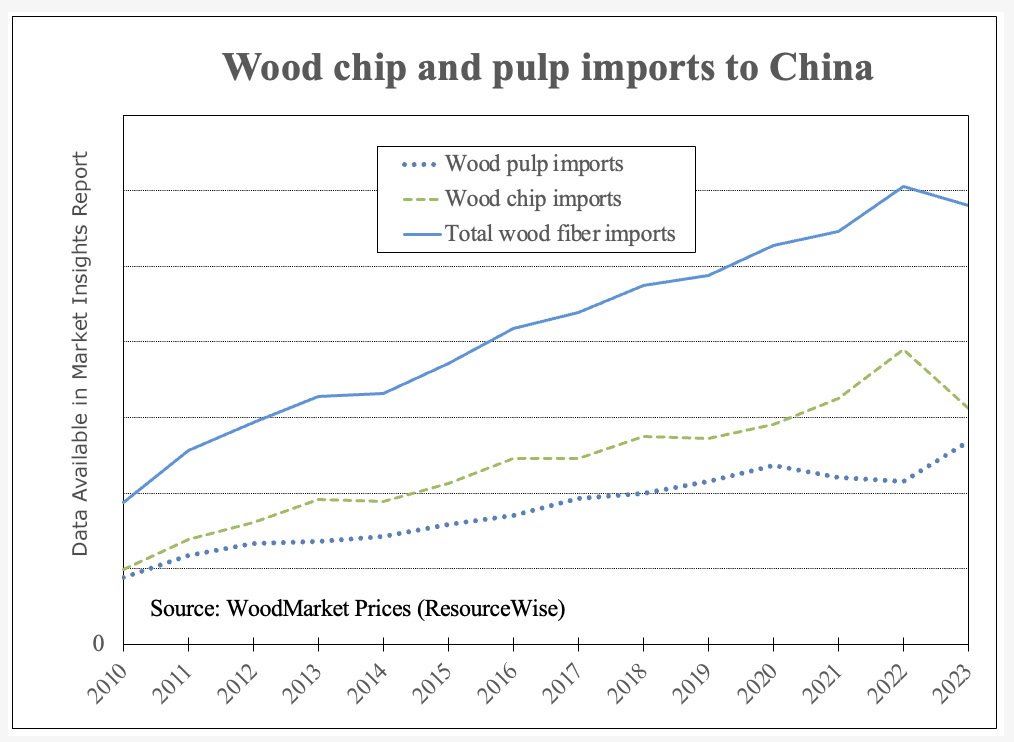
China's paper industry heavily depends on a combination of local and imported pulp and wood chips to fulfill its fiber requirements. The balance...

ResourceWise : Jun 22, 2026, 10:28:48 AM
China remains one of the world’s major importers of softwood logs and lumber, but its softwood sawlog imports have declined significantly in recent...